


Blog Detail
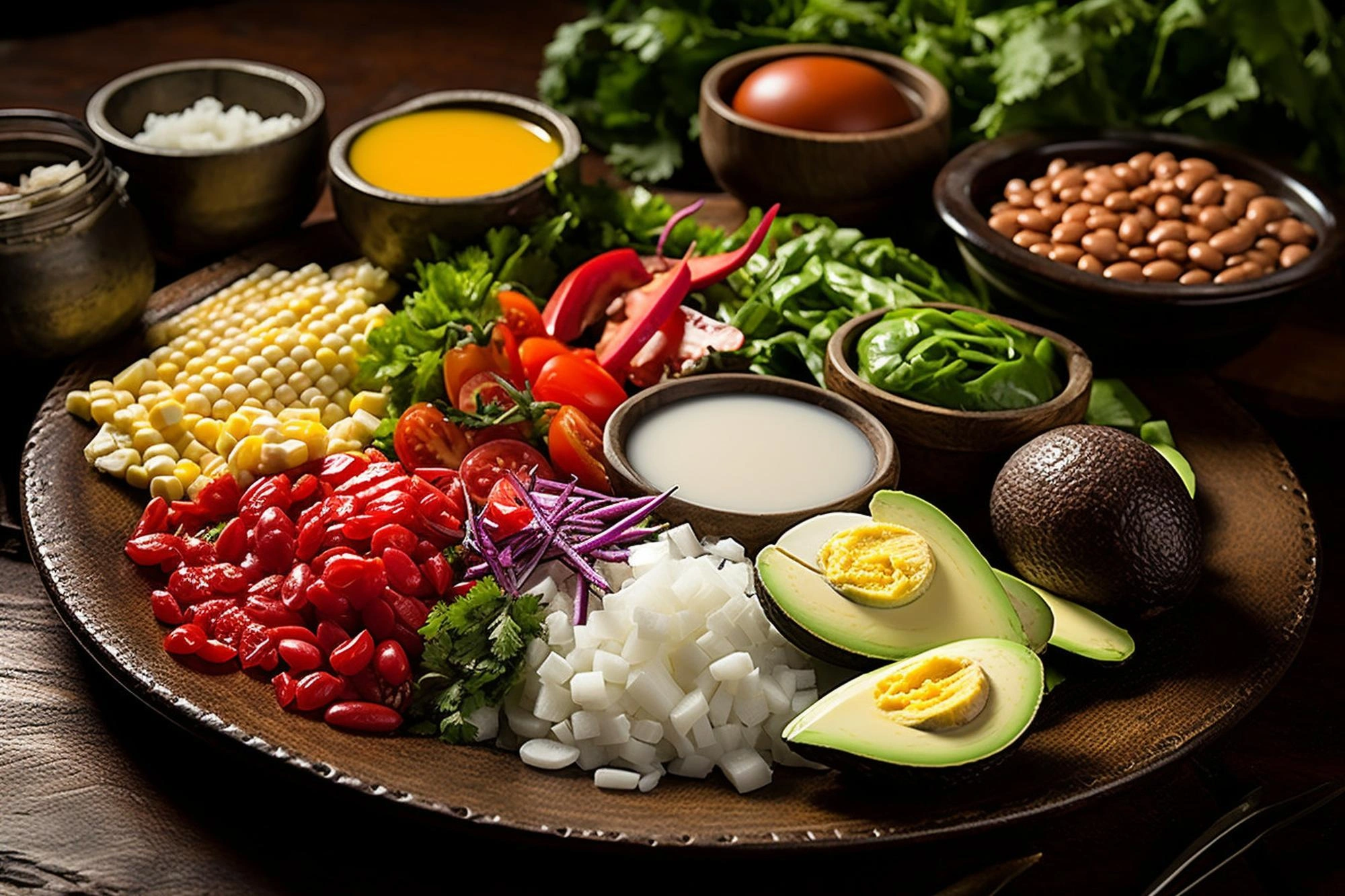
Beyond Milk and Dal: Top 10 Protein-Rich Vegetarian Foods for Growing Indian Children
India has one of the largest vegetarian populations in the world, and it’s no surprise that many parents want to raise their children on the same diet they grew up with. The question that often comes up during pediatric consultations isn’t about whether vegetarian food is healthy — it’s whether it provides enough protein for growing children.
According to the Indian Council of Medical Research, a school-age child needs roughly one gram of protein per kilogram of body weight daily. That means a child weighing 20 kilograms should get around 20 grams of protein every day. This number may seem small, but for vegetarian families, the challenge lies in spreading that intake across simple, home-cooked meals.
At The Kanchi Kamakoti CHILDS Trust Hospital (KKCTH), pediatric nutritionists remind parents that it’s absolutely possible for vegetarian children to meet their protein needs without depending on meat or eggs. The secret lies in variety — using different sources of plant-based protein instead of relying only on milk and dal.
Lentils and Pulses
Dal is a part of almost every Indian meal, but children benefit most when different kinds are used through the week. Moong, masoor, toor, and chana each bring their own mix of nutrients and flavours. Soaking or sprouting dals before cooking makes them softer, easier to digest, and slightly richer in protein. A simple bowl of freshly made masoor dal with rice or sprouted moong tossed with a few vegetables can meet a good share of a child’s daily protein needs.
Paneer and Curd
Paneer remains one of the easiest ways to add protein to a vegetarian diet. It’s filling, mild in taste, and works well in most Indian dishes — from curries to parathas. It also adds calcium, which supports growing bones. Curd complements paneer beautifully. It keeps the stomach cool and introduces good bacteria that support digestion. Many parents at KKCTH are advised to include one small portion of paneer and a bowl of curd on alternate days to maintain a healthy balance.
Soy and Tofu
Soybeans are among the richest vegetarian protein foods. Once boiled or cooked, they can be shaped into small soya chunks, added to pulao or mixed with vegetables. Tofu, made from soy milk, looks like paneer but feels lighter and works well in stir-fries or wraps. Pediatricians usually suggest introducing soy slowly in small amounts, especially for younger children, since their digestion is still developing.
Nuts and Seeds
A handful of nuts and seeds can quietly fill nutrition gaps in a child’s diet. Almonds, walnuts, peanuts, flax, and pumpkin seeds are all rich in protein and healthy fats that support brain growth. Many parents grind them and mix the powder into rotis, porridge, or milkshakes — a practical way to add protein without forcing a separate snack. Nut butters are another easy option if your child enjoys spreads.
Millets
Before polished rice and refined wheat became staples, millets were everyday food in Indian homes. Now they’re returning, and rightly so. Ragi, bajra, and jowar are not only good sources of protein but also high in calcium, iron, and fibre. A warm bowl of ragi porridge in the morning or bajra dosa for dinner helps keep children active for longer and reduces mid-meal hunger.
Rajma and Chole
Rajma and chole are comfort foods for many Indian families — and they also happen to be excellent protein sources. When paired with rice or chapati, they form what nutritionists call a “complete protein,” containing all essential amino acids. These meals are familiar, tasty, and wholesome. A bowl of rajma chawal or simple chole with phulka is more nutritious than most packaged protein snacks.
Green Peas
Green peas may not always be thought of as protein food, but they are surprisingly rich in it. A cup of peas provides nearly the same protein as an egg. They also add fibre and vitamins. Peas can easily be slipped into a child’s lunchbox — in pulao, cutlets, or even parathas — without complaints about taste.
Quinoa
Quinoa has found a place in Indian kitchens for a reason. It cooks like rice but gives more protein and all nine essential amino acids. Pediatric dietitians at KKCTH often suggest mixing quinoa with dal or vegetables so that children adapt to the new texture and flavour. A small serving in khichdi or soup is enough to start with.
The Real Secret to Protein Balance
Parents often search for a single “superfood,” but doctors at KKCTH explain that nutrition doesn’t work that way. A balanced plate, not one ingredient, ensures complete protein. Rice with dal, curd with chapati, or paneer with vegetables — these common pairings help the body use plant protein more efficiently.
Three protein-rich meals a day, along with an evening snack that includes nuts, seeds, or a dairy option, are usually enough for most growing children. When meals are home-cooked, varied, and fresh, there’s rarely a need for supplements. The focus should stay on simple food prepared with care — what’s cooked at home often nourishes far better than what comes from a packet.
Conclusion
Children grow in many ways — in size, in strength, and in how they carry their energy through the day. A healthy child is not just taller or heavier; they’re curious, alert, and full of life. That balance depends on food that truly nourishes, and protein quietly plays a big part in it. It helps the body repair, builds muscle, and supports the immune system so children fall sick less often.
If you ever feel unsure about your child’s eating habits or worry that they aren’t eating enough of the right foods, don’t hesitate to ask your pediatrician. You can also meet the dietitians at The Kanchi Kamakoti CHILDS Trust Hospital, who work closely with families to plan meals that suit both the child and the household. They understand that not every child eats the same way — some need patience, some need variety, and some need a bit of both.
