


pediatric neuro surgery

Specialized Pediatric Neurosurgery in Chennai
A wide range of pediatric neurosurgical problems are dealt with by this department. A few require special mention namely: Craniostenosis (Skull deformities) – we offer complete correction for craniostenosis and we have one of the largest series of cases in literature in this field.
Renowned Pediatric Neurosurgeons in Chennai
Neuroendoscopic procedures for hydrocephalus and tumours, surgeries are also offered. Neurosurgical procedures in the neonate and pre-term children are also being done in large numbers with excellent outcomes. Surgeries for major brain tumors, such as Medulloblastoma and Craniopharyngioma, are performed routinely. Another mention must be made of the comprehensive care for neural tube defects (congenital spinal cord problems) which is offered together with the expertise of the orthopedic and pediatric surgeons for which very good results have been achieved.
24/7 Pediatric Head Injury Care in Chennai
The department receives head injury patients round the clock and comprehensive care for the same is available in hospital. We are a tertiary referral centre for head injuries
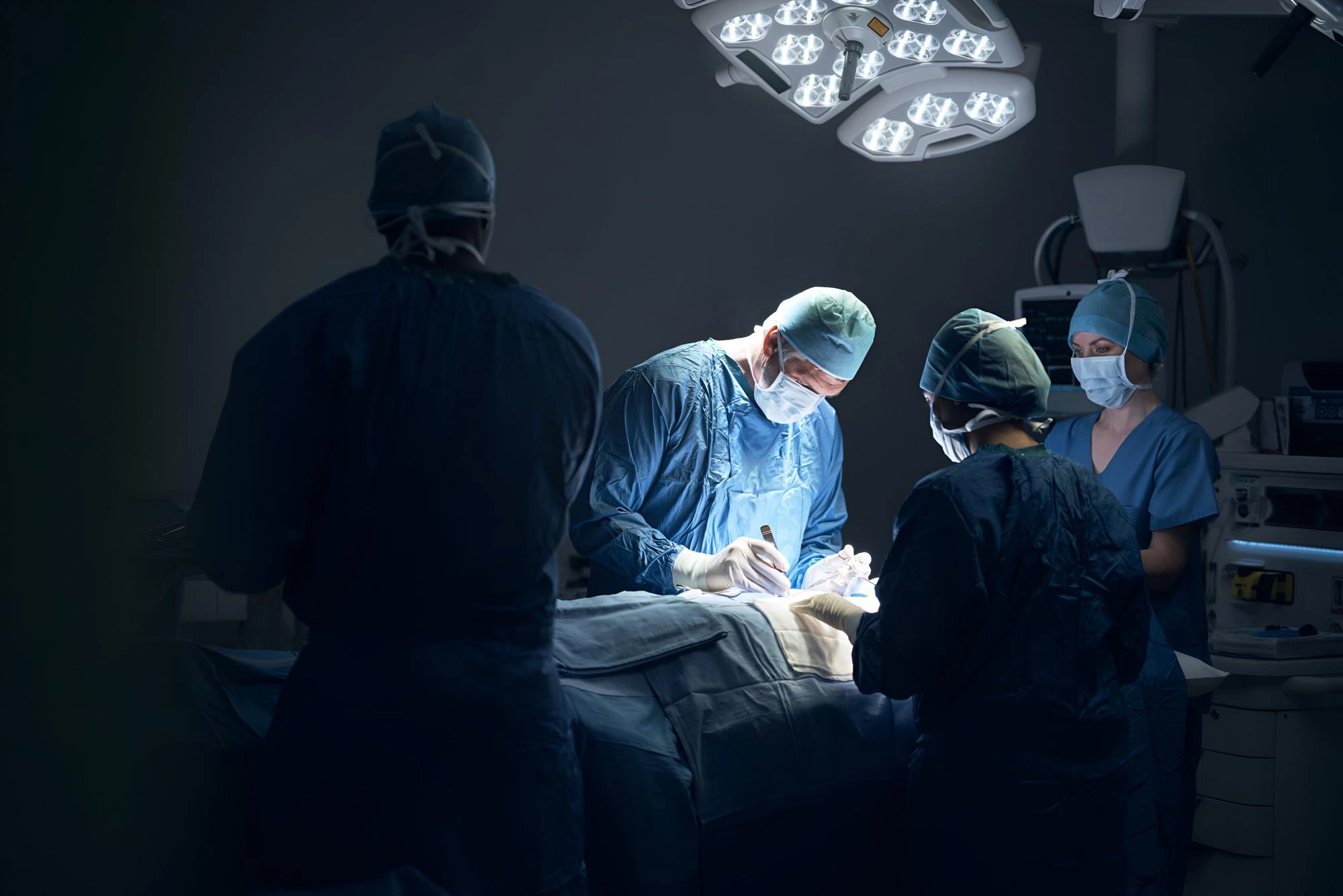
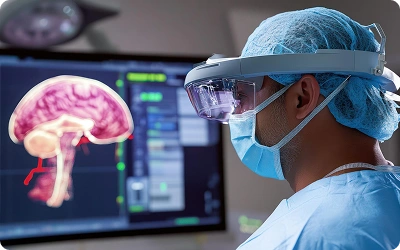
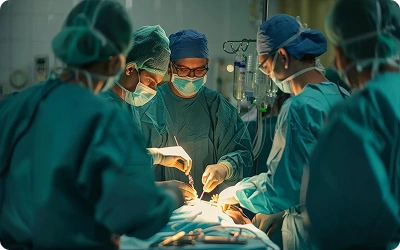
The neurosurgical OT is fully equipped with a operating microscope, craniotomes and neuroendoscope.
.png)







FAQ
- Paediatric neurosurgery addresses a range of conditions affecting the brain, spinal cord, and peripheral nervous system that cannot be managed by medication or observation alone.
- KKCTH's neurosurgical department, led by Dr. Chidambaram Balasubramaniam (M.Ch., MAMS), Dr. Santosh Mohan Rao K (DNB Neurosurgery, Paediatric Neurosurgery Fellowship, Alder Hey UK), and Dr. Subramanian Kalyanaraman, manages: hydrocephalus (both obstructive and communicating), craniosynostosis (skull deformities), brain tumours (medulloblastoma, craniopharyngioma, glioma, ependymoma), spinal dysraphism (neural tube defects), traumatic brain injury, intracranial infections and abscesses, and vascular malformations. The department holds one of the largest published series of craniosynostosis cases in the literature.
- Yes. KKCTH offers comprehensive paediatric spine surgery for both congenital and acquired spinal conditions, including complex spinal deformity correction in collaboration with the orthopaedic department.
- Neurosurgical spine procedures include spinal cord detethering (tethered cord release), myelomeningocoele repair in neonates, and management of spinal cord tumours. For congenital spinal deformities, the neurosurgical and orthopaedic teams collaborate on staged or combined procedures, achieving results in one of the largest published series of congenital spinal deformity cases in India.
- Paediatric neurosurgery requires specialist training because children's neuroanatomy, physiology, and disease patterns differ substantially from adults and small technical errors carry disproportionate consequences in a developing brain.
- The immature skull, rapidly growing brain, and evolving myelination demand adjustments in surgical approach, anaesthetic technique, and post-operative monitoring. Craniosynostosis and neural tube defects, for example, do not exist in adult neurosurgical practice. Hydrocephalus shunt management in infants requires size-specific hardware and different valve settings. The KKCTH neurosurgical team is trained and experienced exclusively in the paediatric domain, supported by a fully equipped neurosurgical OT with operating microscope, craniotomes, and neuroendoscope.
- Yes. Paediatric neurologists work closely with neurosurgeons at KKCTH, ensuring that conditions requiring both neurological and surgical management receive coordinated, multidisciplinary care.
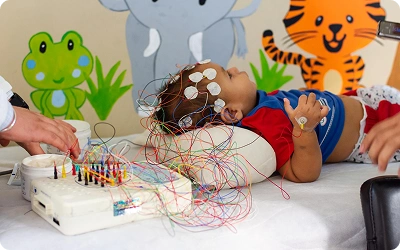
- Neurologists are involved in pre-operative epilepsy assessment, post-operative seizure management, neurorehabilitation, and the management of conditions such as hydrocephalus that may have both medical and surgical treatment phases. The paediatric neurology department provides EEG monitoring, nerve conduction studies, and long-term neurological follow-up for surgical patients.
- Yes. KKCTH's PICU provides direct post-operative neurosurgical intensive care, with neurosurgeons and intensivists co-managing patients in the immediate post-operative period.
- Post-neurosurgical monitoring includes invasive intracranial pressure monitoring where indicated, continuous EEG surveillance for seizure detection, and vigilant management of electrolyte balance and cerebral perfusion. The PICU's advanced ventilatory and haemodynamic support capabilities make it suitable for the most complex post-operative neurosurgical cases.
- Yes. Neuroendoscopic surgery is routinely performed at KKCTH for conditions including hydrocephalus (endoscopic third ventriculostomy) and intraventricular tumours, reducing the need for open craniotomy.
- The neurosurgical OT is equipped with a dedicated neuroendoscope and operating microscope. Endoscopic approaches offer shorter recovery times, reduced infection risk, and smaller operative wounds compared to conventional open surgery. The decision regarding surgical approach is individualised based on lesion type, patient age, and clinical findings.