


Hypospadias Surgery
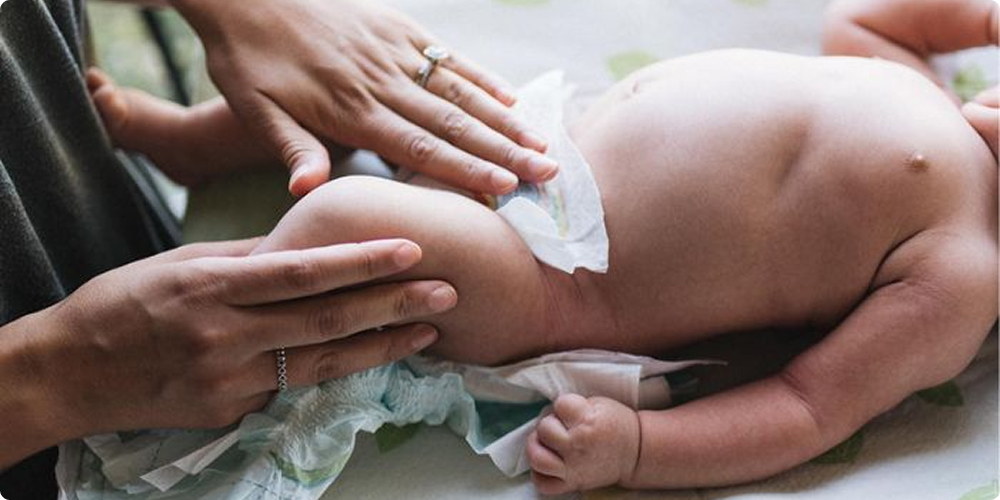
Expert Pediatric Care for Hypospadias Surgery
Looking for trusted care for your child’s urinary condition? KKCTH is a leading pediatric hospital in hypospadias surgery, offering expert diagnosis and treatment for this common urinary defect in newborns. Hypospadias varies in severity, from mild cases where the opening is near the tip, to complex types that may need multi-stage procedures. Early intervention leads to better outcomes and healthy development. Our team of experienced pediatric urologists provides specialized care tailored to each child’s stage of growth. With advanced infrastructure and a pediatric-focused approach, KKCTH delivers safe, precise treatment and is recognized as one of the best centers for hypospadias surgery in Chennai.
Hypospadias Surgery at KKCTH
KKCTH offers advanced hypospadias surgery in Chennai, using age-appropriate surgical techniques which may be single stage repairs or staged reconstruction. Surgery is typically performed from the age of 9 months, with most children recovering within a few weeks. The advantage of operating in early life means that children have no recollection of the surgery or psychological affect from it in layer years. Moreover in most mild hypospadias, the foreskin can also be reconstructed if desired.
Our experienced pediatric urologists follow strict safety protocols, ensuring minimal risk and effective outcomes. Equipped with a dedicated Pediatric ICU, NICU, and round-the-clock post-operative care, KKCTH ensures every child receives safe, monitored recovery in a child-friendly environment.
In children requiring further assessment of hormonal or urinary function, comprehensive assessment and care can be offered under the same roof from experienced endocrinologist and radiologists, ensuring the best long-term outcome in function and fertility.
Consultants































FAQ
- Catheter duration following hypospadias repair typically ranges from 7 to 14 days, depending on the severity of the defect, the surgical technique employed, and the complexity of the repair.
- Simple distal hypospadias repaired with a single-stage technique (such as MAGPI or TIP/Snodgrass) generally requires a shorter catheterisation period of approximately 7–10 days. Complex proximal hypospadias requiring staged repair or urethral reconstruction with grafted tissue may necessitate catheter retention for 10–14 days or longer to allow adequate healing without fistula formation. KKCTH's surgical team, Dr. Priya Ramachandran (FRCS Eng, FRCS Edin, PhD, D.Sc.), Dr. Lakshmi Sundararajan (MCh, FRCS Paed Surgery), and Dr. S. Balagopal (MS, MCh), will specify the precise catheter duration and home care instructions based on the individual operative findings.
- Hypospadias surgery, when performed correctly and at the appropriate age, is intended to restore normal urinary and sexual function, including fertility with the vast majority of boys leading entirely normal adult lives.
- The primary goals of repair are to straighten the penis (correct chordee), place the urethral meatus at the tip of the glans, and achieve a cosmetically acceptable appearance. When these objectives are achieved, ejaculatory function and, by extension, fertility are not adversely affected. Severe proximal hypospadias associated with undescended testes or ambiguous genitalia may require hormonal and genetic evaluation (available through KKCTH's endocrinology department) to assess fertility potential more specifically. Long-term urological follow-up is recommended to identify any late complications such as meatal stenosis or urethral stricture.
- Surgery is typically recommended between 9 and 18 months of age, a window that combines optimal tissue characteristics, psychological benefit (no operative memory), and earliest possible correction before toilet training.
- Some surgeons prefer to operate when the child is around three years old, as children at that age are generally more compliant with catheter use.
- Operating in early infancy, once the child weighs approximately 10 kg and is otherwise well, takes advantage of the tissue pliability that facilitates meatal advancement and urethroplasty. It also means the child has no recollection of the procedure and avoids the psychological impact of genital surgery in older, cognitively aware children. KKCTH offers age-appropriate surgical techniques, with single-stage repairs preferred for distal lesions and staged procedures reserved for severe proximal hypospadias with significant chordee. Foreskin reconstruction can also be performed simultaneously where desired.
- Hospital stay following hypospadias repair at KKCTH is typically 2–5 days for straightforward cases, with longer admissions for complex or staged procedures.
- Simple distal repairs may permit discharge within 48–72 hours once the child is feeding well, afebrile, and the catheter is secured and draining appropriately. Complex proximal repairs or redo procedures requiring urethral grafting may necessitate 5–7 days of inpatient monitoring to ensure wound integrity and catheter function. Parents receive detailed written discharge instructions regarding catheter care, wound hygiene, activity restrictions, and the schedule for outpatient review. KKCTH's dedicated Paediatric ICU and on-site neonatal support ensure that any post-operative complications are managed without transfer to another facility.