


Neonatology & Neonatal
Intensive Care Unit
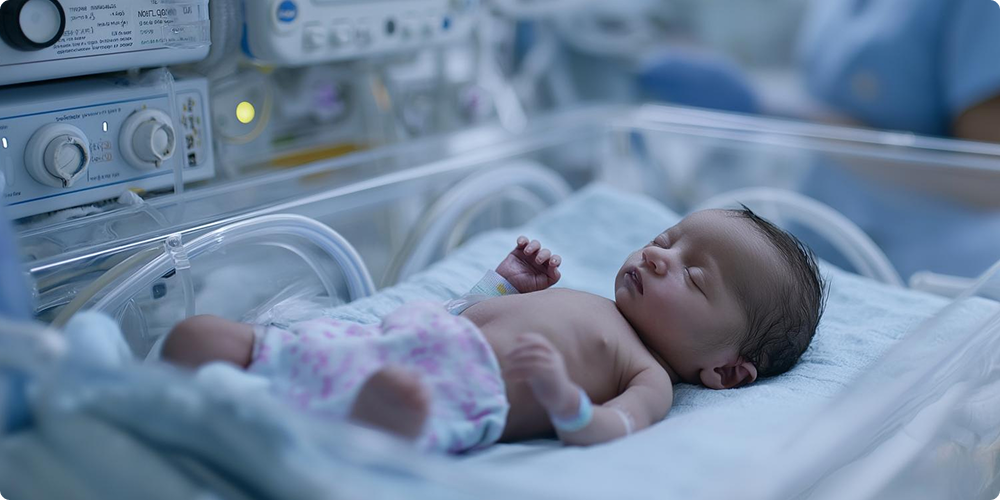
DEPARTMENT OF NEONATOLOGY & NEONATAL INTENSIVE CARE UNIT
Kanchi Kamakoti Childs Trust Hospital has a level III neonatal intensive care unit (NICU) which caters to nearly 1000 high risk newborns every year. Established in 1990, the NICU is a 35 bedded tertiary care unit with provisions and facilities for routine care and high-risk neonates. The NICU has 2 intensive care bays, having a capacity of 16 beds in addition to a 15 bedded step down unit, a 4 bedded isolation area and a procedure room.
Experienced Neonatologists Leading Advanced Newborn Care
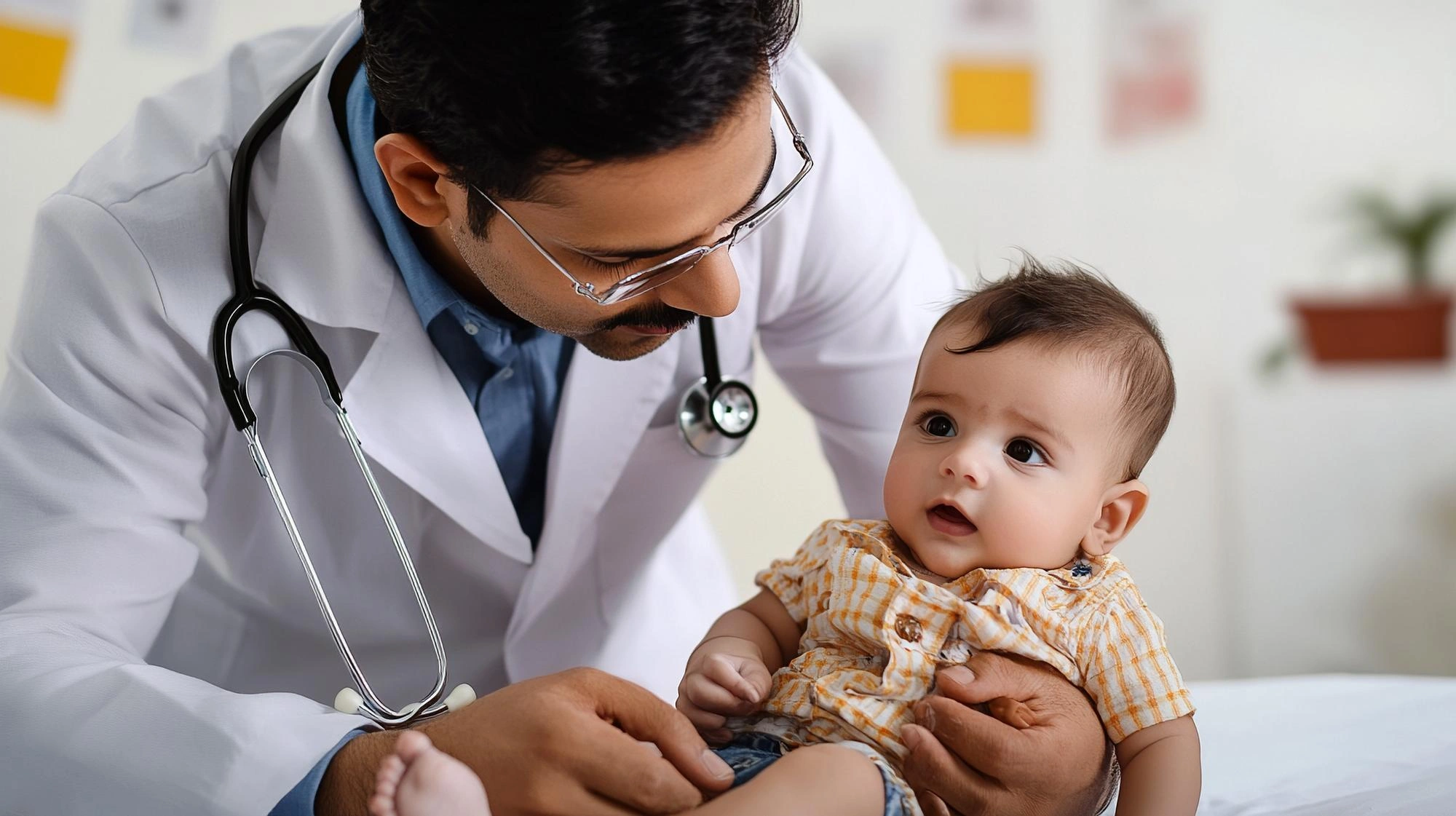
The unit is managed by a team of dedicated consultant neonatologists, neonatal and pediatric trainees, trained neonatal nursing professionals and other support staff. The unit caters to high-risk term and preterm neonates and offers various intensive care services including neonatal transport using mobile ambulance.
Comprehensive NICU Facilities
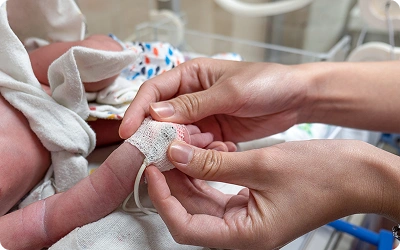
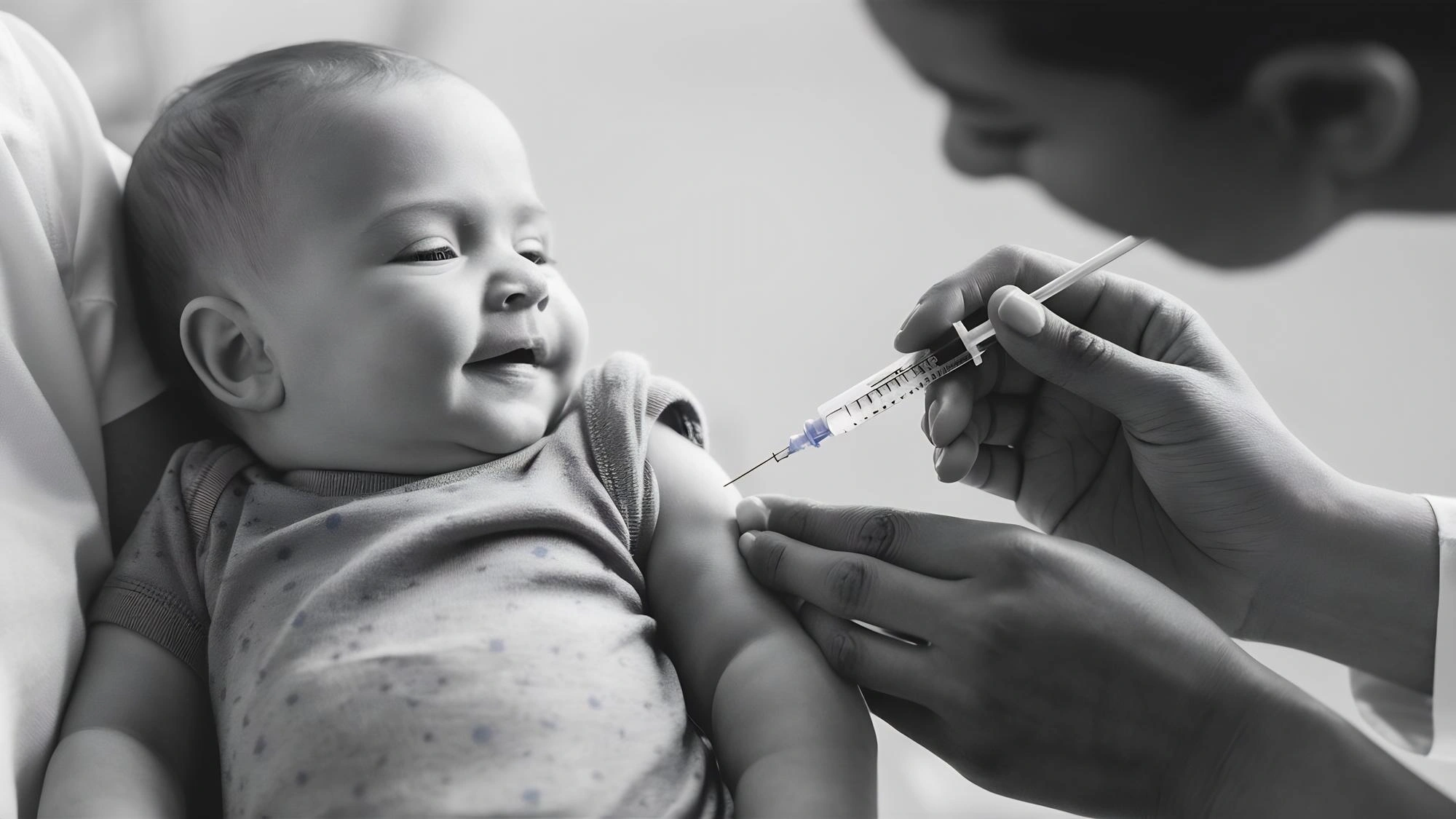
The hospital houses a well-equipped, Level 3 Neonatal Intensive Care Unit. This means that the NICU is extremely prepared to handle babies born at all gestational ages and offers prompt access to a wide range of pediatric multidisciplinary specialities while also providing respiratory and advanced imaging support. The unit is equipped with state of art facilities including therapeutic hypothermia, conventional and high frequency ventilation, inhaled nitric oxide, peritoneal dialysis, total parenteral nutrition, central venous access, umbilical lines, invasive and non-invasive monitoring, double volume exchange transfusion, functional echocardiography and phototherapy. In addition, we also offer multidisciplinary developmental follow up facilities, indirect ophthalmoscopy for retinopathy of prematurity, immunisation, well newborn outpatient services, resuscitation, lactation support and prenatal counselling.
Neonatologist-Guided Care with Proven Outcomes
The unit is involved in training neonatal and pediatric trainees and nurses with a rigorous academic schedule. With a survival of more than 95% among all admitted neonates which includes newborns up to 450 grams birth weight, our goal is to achieve world class excellence in providing developmentally supportive care to the sickest and smallest of neonates.
We also offer 24x7 milk bank facilities for the needy babies. We have launched maternity and birthing services at our institution. For appointments and consultation please call – 9940408163.


Consultants












FAQ
- Any newborn who is premature, born with a congenital abnormality, or develops significant illness in the first weeks of life requires NICU-level care.
- Specific indications include extreme prematurity (below 37 weeks), birth weight under 1,500 grams, respiratory distress syndrome, neonatal sepsis, hypoxic-ischaemic encephalopathy, congenital heart defects requiring early intervention, neonatal jaundice requiring exchange transfusion, surgical conditions (e.g., gastroschisis, oesophageal atresia), and metabolic disorders. KKCTH's Level III NICU caters to nearly 1,000 high-risk newborns annually.
- KKCTH's NICU is equipped with the full spectrum of Level III neonatal life-support technology, including therapeutic hypothermia, high-frequency oscillatory ventilation, and functional echocardiography.
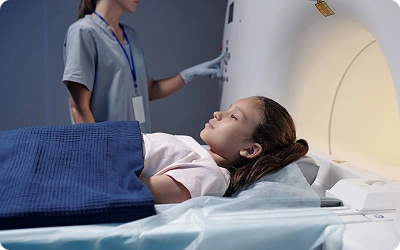
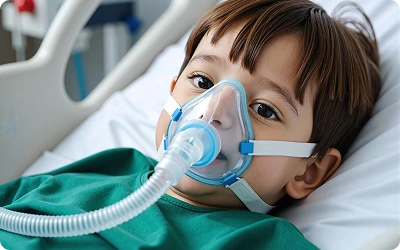
- The unit's complete equipment inventory includes: conventional and high-frequency oscillatory ventilators, non-invasive respiratory support (CPAP, high-flow nasal cannula), inhaled nitric oxide delivery systems, therapeutic hypothermia (whole-body cooling), peritoneal dialysis, total parenteral nutrition (TPN) capability, central venous and umbilical line management, double-volume exchange transfusion, indirect ophthalmoscopy for retinopathy of prematurity screening, and phototherapy units. Advanced imaging including point-of-care cranial ultrasound is also available.
- Yes. KKCTH's NICU is staffed by trained neonatologists and paediatric residents at all times, with senior consultant oversight 24 hours a day.
- The unit is led by Dr. Vaanathi Vijayakumar (DNB Neonatology, Head of Department) alongside senior consultants Dr. Chandrakumar N (MD, DNB, DM) and Dr. Rahul Anand Yadav (MD, DM). A dedicated team of trained neonatal nurses provides bedside care, supported by a rigorous academic training programme for paediatric residents and nursing staff.
- Yes. KKCTH's NICU works in direct collaboration with the Obstetrics and Gynaecology department to provide immediate neonatal resuscitation and transition care for high-risk deliveries.
- Maternal-fetal medicine specialists and neonatologists conduct prenatal counselling for expectant mothers whose unborn child has been identified with a potentially serious condition. A trained neonatal resuscitation team is present at every high-risk delivery, and a dedicated mobile NICU transport service (call 73580 33310) facilitates the safe transfer of critically ill neonates born at peripheral hospitals.
- NICU length of stay is entirely dependent on the infant's clinical condition, gestational age, birth weight, and the complexity of any concurrent medical or surgical issues.
- Extremely premature infants (born before 28 weeks) may require NICU support for several months, with the general target of discharge near the original expected date of delivery. Term infants with transient conditions such as hypoglycaemia or mild respiratory distress may be discharged within days. The treating neonatologist establishes individualised milestone-based discharge criteria including oral feeding competence, temperature regulation, and respiratory stability, communicated clearly to the family throughout the admission.
- Yes. KKCTH offers a structured multidisciplinary developmental follow-up programme for NICU graduates, particularly for premature and neurologically at-risk infants.
- Follow-up clinics assess growth, neurodevelopmental progress, hearing (audiological assessment), vision (retinopathy of prematurity follow-up), and nutritional status at defined intervals. High-risk infants may be referred to occupational therapy, physiotherapy, or speech and language therapy as required. The outpatient well-newborn service also provides immunisation, lactation support, and ongoing paediatric consultations.