


Blog Detail
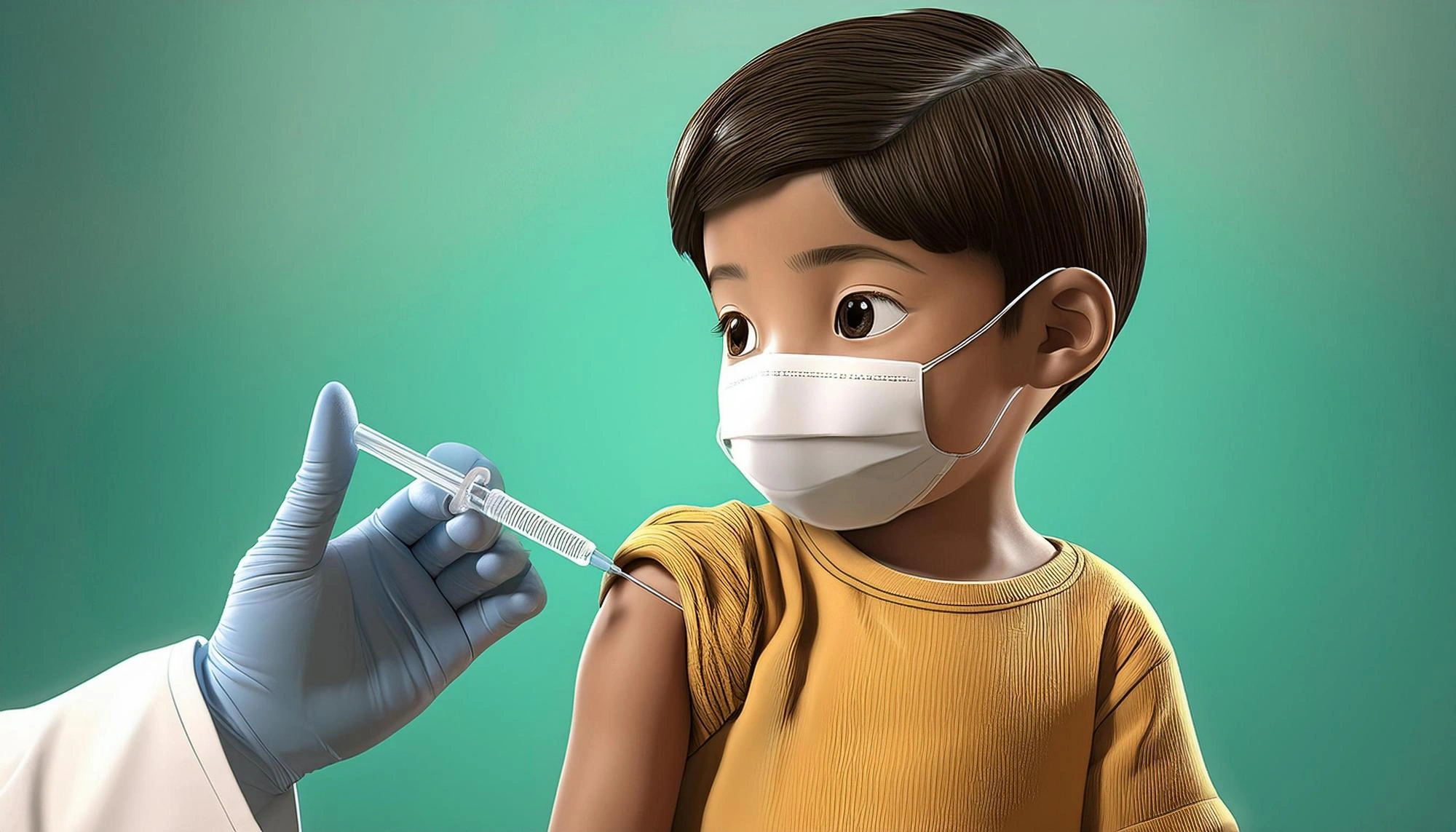
Childhood Vaccines in India: Understanding the Schedule and Clearing the Confusion
For every new parent, the first year of a baby’s life feels like both a blessing and a blur — a mix of sleepless nights, new milestones, and important decisions about their child’s health. Among those decisions, one of the most crucial is vaccination.
The chart of injections and dates may look intimidating at first, but each vaccine on that list has a story behind it — a disease once feared, now largely under control because parents chose to vaccinate. India’s success in eradicating smallpox and eliminating polio stands as proof of what consistent immunisation can achieve. The World Health Organization estimates that vaccines prevent nearly 2.5 million deaths globally every year, many of them among children under five.
At The Kanchi Kamakoti CHILDS Trust Hospital (KKCTH), our pediatricians remind parents that vaccines are not just part of routine baby care. They are one of the strongest defences against illnesses that once claimed countless young lives — diphtheria, whooping cough, tetanus, measles, and meningitis among them. When given on time, vaccines do more than protect your child; they build a safety net for the entire community, shielding infants, the elderly, and those with weaker immune systems.
Vaccines are a promise — a simple, evidence-backed step that lets children grow, play, and learn without the threat of preventable diseases.
The Recommended Vaccine Schedule in India
In India, two main vaccine schedules are followed. The first is the National Immunization Schedule, which is part of the government’s Universal Immunization Programme. It includes the essential vaccines available free of cost at government health centres. The second is the schedule recommended by the Indian Academy of Pediatrics (IAP), which adds a few extra vaccines that offer broader protection and are usually given in private hospitals.
The first dose begins right at birth — for tuberculosis (BCG), hepatitis B, and polio. Over the next few months, vaccines are given for diphtheria, tetanus, whooping cough, polio, rotavirus diarrhoea, pneumonia, and meningitis. As children grow, they receive vaccines for measles, rubella, mumps, chickenpox, and hepatitis A.
By the time a child reaches school age, booster doses are given to keep the protection strong. During adolescence, vaccines such as the HPV vaccine for girls and a booster for tetanus and diphtheria help prevent diseases later in life.
Each dose has a specific purpose and timing. The intervals are planned so that immunity builds gradually and stays strong for years.
When a Vaccine Is Missed
Parents often worry if a vaccine is missed due to travel, illness, or delay. The good news is that it’s not a cause for alarm. Missed doses can almost always be made up — there’s no need to restart the schedule. Pediatricians simply adjust the timing and continue from where it was left off.
At KKCTH, doctors review your child’s vaccination card carefully before planning a “catch-up” schedule. Whether it’s one missed dose or more, the team ensures your child gets back on track safely and smoothly.
The key is to avoid long gaps and not skip any vaccines altogether. Staying consistent gives your child complete protection.
Common Myths and the Real Facts
Despite years of successful immunization, many parents still come across misinformation about vaccines. Our doctors often spend time clarifying these doubts during routine visits. Here are a few truths that help set the record straight:
1. “Too many vaccines will overload my baby’s system.”
No. Babies are exposed to thousands of germs every day. Vaccines contain only a fraction of what their bodies can naturally handle. Giving multiple vaccines together is safe and helps reduce unnecessary visits.
2. “Fever after a vaccine means it’s not suitable for my child.”
Mild fever or soreness is normal and actually a good sign — it means the body is building immunity. The symptoms fade within a day or two.
3. “Natural infection gives better protection.”
Natural infection also brings the risk of severe illness, hospitalization, or long-term complications. Vaccines teach the body to fight the disease safely.
4. “If most children are vaccinated, mine doesn’t need it.”
This is a dangerous misconception. Vaccines work best when everyone participates. Skipping even one child breaks the shield of community protection, known as herd immunity.
Why Timely Vaccination Matters
Each vaccine is planned for a specific age because that’s when the risk of certain infections is highest. For instance, whooping cough and pneumonia can be serious in infants, so protection begins early. If vaccines are delayed, the window of vulnerability widens.
Timely vaccination not only safeguards your child but also reduces the risk of outbreaks in schools and communities. Keeping up with boosters during school years ensures that early protection doesn’t fade away.
When to Speak to Your Pediatrician
Parents sometimes hesitate to vaccinate if the child has a mild cold or cough. In most cases, vaccines can still be given safely. If your child has a high fever or any serious illness, your doctor might suggest waiting for a few days.
After vaccination, if there’s prolonged fever, excessive swelling, or continuous irritability, it’s best to consult your doctor. These reactions are rare but should be reviewed promptly.
At KKCTH, our pediatric team ensures every parent understands what to expect before and after each shot. The nurses take time to explain the schedule, check records, and guide families through the next steps.
Conclusion
Vaccines are a quiet but powerful force in modern healthcare. They’ve turned diseases that once took lives into distant memories. For every parent, the decision to stay updated on immunizations is one of the simplest, most effective ways to protect a child’s future.
If you’re unsure about the schedule or think your child might have missed a dose, visit The Kanchi Kamakoti CHILDS Trust Hospital. The pediatric team will review your child’s record, explain what’s needed, and guide you through every step — with patience, clarity, and care.
Good health begins with prevention, and vaccination remains one of the strongest pillars of preventive care for every child.
