


Blog Detail
Dirty Water, Dangerous Fever: The Hidden Story of Typhoid in Developing Nations
Typhoid fever, also referred to as enteric fever, is a bacterial infection caused by Salmonella typhi. A similar infection called paratyphoid fever is due to related bacteria and is typically milder. Typhoid continues to be a major health concern in many developing countries, including India, and affects both children and adults, particularly in areas lacking safe water and proper sanitation.
How the Disease Spreads
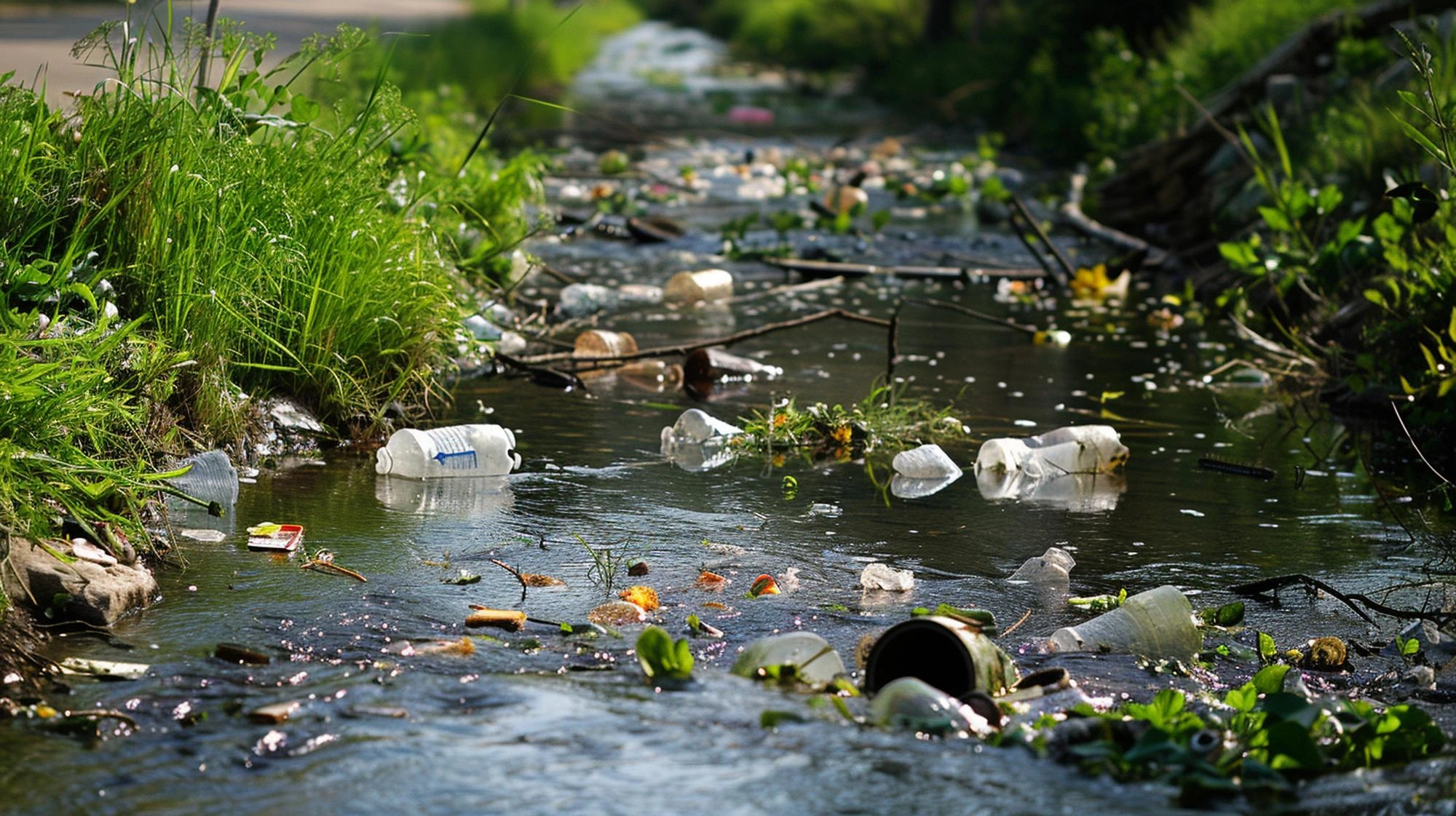
Typhoid is primarily transmitted through the consumption of food or water contaminated with human feces containing the bacteria. The infection spreads easily in regions with poor sanitation, open defecation, or unclean water systems. Individuals who carry the bacteria, whether sick or asymptomatic, pass it through their stools, which can contaminate the environment and lead to further infections. Poor hygiene among food handlers and the presence of flies near food can also facilitate transmission.
Common Symptoms and Clinical Features
The symptoms of typhoid often begin between one to two weeks after exposure. The illness usually starts with high fever, weakness, abdominal discomfort, headache, and sometimes dry cough. The fever typically increases gradually and can reach dangerously high levels by the end of the first week.
As the disease progresses into the second week, symptoms worsen. The individual may look severely ill, with persistent fever, confusion, and significant fatigue. In some cases, rose-colored spots may appear on the abdomen and chest. Without treatment, the illness may last for several weeks, with lingering weakness even after the fever subsides.
Complications of Typhoid
Typhoid can become serious if not treated on time. Potential complications include bleeding in the intestines or perforation of the bowel, which can lead to peritonitis. The bacteria may also affect other organs, including the heart (leading to myocarditis), brain, kidneys, joints, and bone marrow. These complications typically develop after the first week and may require emergency care.
Diagnosis and Treatment Approach
The most reliable way to confirm typhoid is through blood culture, though the bacteria may not always be easily detected, especially if antibiotics have already been started. In some difficult cases, a bone marrow test may be done to improve detection. Stool culture can also help in identifying the bacteria.
Accurate diagnosis is essential because antibiotic resistance is common. Once the right antibiotic is determined, it is usually given for at least two weeks. In some severe cases, steroids may be added to manage inflammation. While uncomplicated cases may be treated at home, hospitalization is necessary when complications arise or the child is very sick, requiring intravenous medications and close monitoring.
Recovery and Long-Term Outlook
Timely treatment usually results in full recovery, but delays can lead to complications or even death. Some patients may experience a relapse, which is typically less severe than the original illness. A few may become chronic carriers, continuing to excrete the bacteria without symptoms. These individuals can unknowingly infect others and may need extended antibiotic therapy to eliminate the infection entirely.
Preventive Measures
Prevention of typhoid relies on good hygiene and safe food and water habits. Washing hands with soap after using the toilet and before meals is crucial. Drinking only purified or boiled water and avoiding food sold in unhygienic conditions can help reduce the risk. Food should always be protected from flies and handled with clean utensils.
Vaccination is also an effective preventive tool. An injectable vaccine is available and can be administered to children as young as 6 months of age. These vaccines do not offer complete protection but significantly reduce the severity of the illness if infection occurs. Vaccination is especially important in high-risk areas.
Conclusion
Typhoid fever remains a serious health issue in many parts of the world, particularly where sanitation is poor. Early detection, proper antibiotic use, and supportive care can lead to complete recovery. With the growing concern of antibiotic resistance, avoiding unnecessary antibiotic use and relying on accurate diagnosis becomes essential. Practicing good hygiene and opting for vaccination are key steps in protecting children and families from this preventable illness. For specialized care and accurate treatment, consult a pediatric expert at KKCTH (Kanchi Kamakoti Childs Trust Hospital), Chennai.
