


Blog Detail
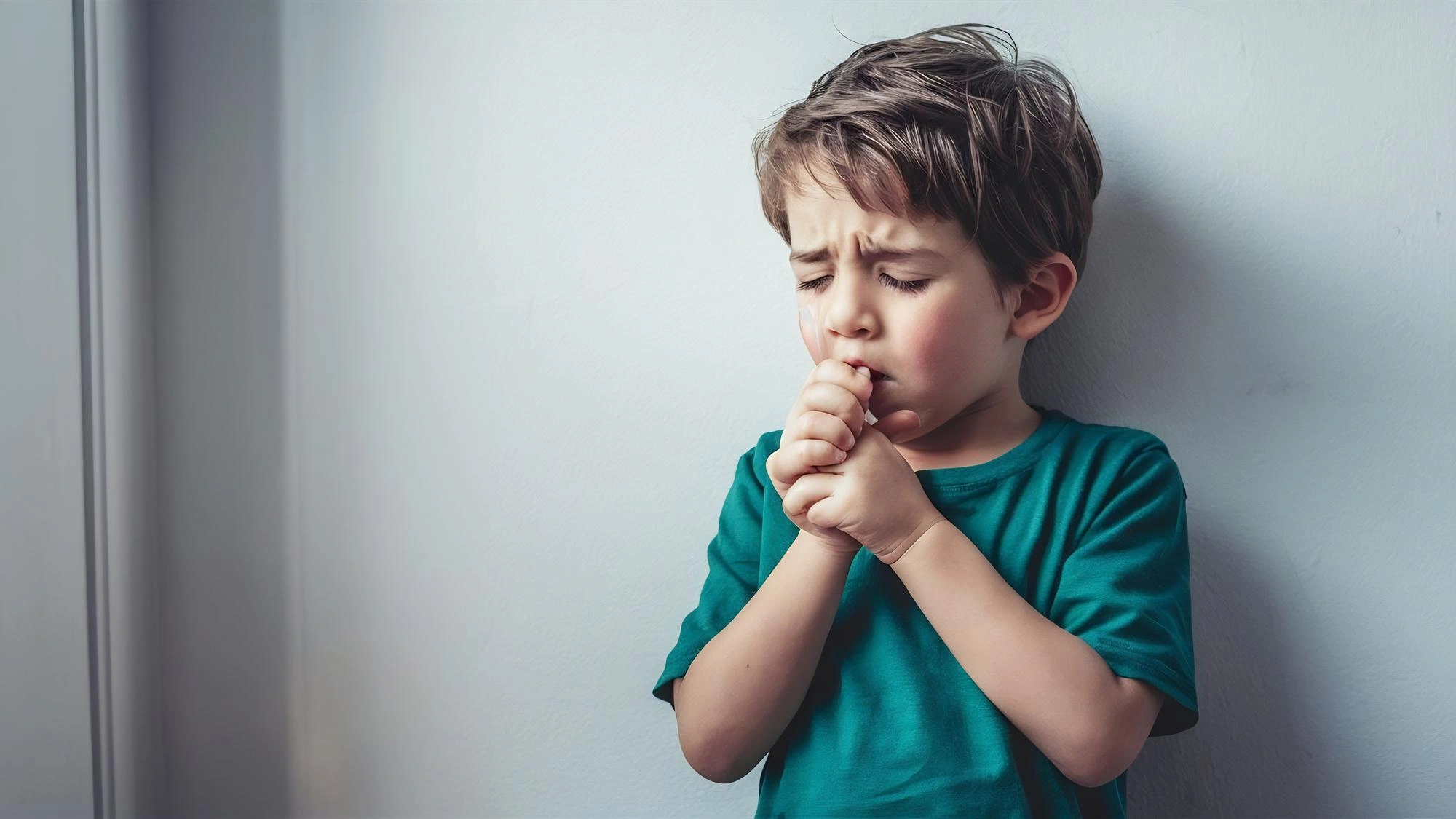
Is It Just a Cough? Recognizing the Early Warning Signs of Pneumonia in Children
A cough is one of the most common reasons parents bring their children to the hospital. Most days, it turns out to be nothing more than a cold or a mild throat infection. But sometimes, a cough changes in a way that makes parents uneasy. It becomes louder, deeper, or refuses to settle even after days of home remedies. This is often when doctors begin to look for early signs of pneumonia — an infection that can become serious quickly if it isn’t identified in time.
At The Kanchi Kamakoti CHILDS Trust Hospital (KKCTH), pediatricians often say that pneumonia rarely begins with dramatic symptoms. It starts small, almost quietly. A cough that lingers. A fever that returns at odd hours. A child who suddenly doesn’t want to eat or play as they normally do. These early changes are easy to overlook, which is why understanding them makes a real difference to recovery.
How Pneumonia Begins
Pneumonia is an infection in the lungs that causes the small air pockets to fill with mucus or fluid. When this happens, breathing becomes harder and the body struggles to get enough oxygen. Children, especially younger ones, react quickly to these changes because their lungs are small and still developing.
Many cases of pneumonia begin as a simple cold. A virus irritates the nose and throat. The cough begins slowly. Some children improve after a few days, while others worsen because bacteria take advantage of the weakened lungs. That is often the point when pneumonia sets in.
Seasonal changes also play a role. During monsoon and winter, viral infections spread faster. Humid rooms, closed windows, and poor ventilation make it easier for germs to travel between children, especially in schools and day-care centres.
Early Warning Signs Parents Often Notice
The earliest signs of pneumonia are not always dramatic. What parents observe at home matters more than any single symptom.
Some children begin breathing faster than usual. You may notice the chest moving more quickly or the space between the ribs pulling in slightly when they breathe in. This is a sign that the lungs are working extra hard.
The fever pattern changes too. A cold usually brings a low fever that settles in two or three days. Pneumonia tends to bring a higher fever that returns after medicine wears off. It may also come with chills or sweating at night.
Children also tend to lose their appetite early in pneumonia. They may drink less water, refuse their favourite foods, or seem tired soon after waking up. Babies may feed poorly and cry more than usual.
The cough itself becomes heavier. It may sound chesty or painful. Some children vomit after bouts of coughing because the lungs and throat are irritated.
These changes may appear slowly over two to three days, so parents sometimes assume it’s “a stubborn cold.” But if the cough worsens and the child seems unusually tired, it’s safer to have them examined.
When It’s Time to See the Pediatrician
Doctors at KKCTH encourage parents to bring the child in when the illness doesn’t follow the normal pattern of a cold. Sudden breathlessness, fast breathing during sleep, or noisy breathing are strong indicators of lung involvement.
A doctor’s examination helps determine whether the illness is still in the upper airway or if it has moved into the lungs. Listening to the chest with a stethoscope often reveals sounds that cannot be heard from outside. Sometimes, a chest X-ray or a blood test helps confirm the diagnosis.
Seeking help early makes treatment easier. Children recover faster when pneumonia is caught in its early stage instead of waiting for the symptoms to worsen.
How Pneumonia Is Treated
Treatment depends on whether the infection is viral or bacterial. Viral pneumonia usually improves with hydration, rest, and fever control. Bacterial pneumonia requires antibiotics. Doctors decide the right course based on age, symptoms, lung sounds, and test results.
Most children recover at home under guidance. But children with severe breathing difficulty, high fever, or dehydration may need hospital care to stabilise their breathing and hydration.
Parents often worry that pneumonia means weeks of illness. With timely treatment, many children begin to feel better in two or three days. The cough, however, may take longer to settle because the lungs need time to heal fully.
Reducing the Risk of Pneumonia
Some simple habits make a big difference in preventing pneumonia.
Clean hands before meals help stop germs from reaching the mouth. Good nutrition strengthens immunity. Well-ventilated rooms, regular washing of curtains and bedding, and avoiding exposure to smoke or incense help protect sensitive lungs.
Vaccines are a major safeguard too. The pneumococcal vaccine and the Haemophilus influenzae type B vaccine protect against common pneumonia-causing bacteria. Doctors at KKCTH also encourage the flu vaccine each year for children, especially those prone to frequent colds.
A Word for Parents
A child’s cough can make any parent anxious, especially when things don’t get better as expected. The most important thing to remember is this — pneumonia is treatable, and children recover very well with timely care.
If you feel your child’s cough is changing, the fever is lasting too long, or their breathing doesn’t look right, don’t wait. Visit the pediatric department at The Kanchi Kamakoti CHILDS Trust Hospital. The team will examine your child gently, explain what is happening, and start the right care without delay.
With early recognition and proper treatment, pneumonia becomes a short chapter in a child’s life, not a long struggle. Most children return to their cheerful selves sooner than parents expect — once their little lungs get the help they need.
