


Blog Detail
Managing Scabies in Children: From Symptoms to Full Recovery
Scabies is a contagious skin infestation that commonly affects children. It is caused by tiny mites known as Sarcoptes scabiei, which burrow into the skin and trigger an allergic reaction. This reaction results in intense itching and a rash, often making children extremely uncomfortable, especially at night. Though scabies is not a dangerous disease in itself, it can cause considerable distress and may lead to secondary infections if left untreated. Understanding its nature, symptoms, and treatment options can help manage and prevent this condition more effectively.
Understanding the Cause of Scabies
The cause of scabies lies in the infestation of the skin by microscopic mites. These mites burrow into the top layer of the skin where they lay eggs and release waste products. This activity provokes an immune response in the host, resulting in allergic reactions that include itching, redness, and rashes. While the mites themselves are not visible to the naked eye, their effects become increasingly noticeable with time. Children, with their close physical interactions and developing immune systems, are particularly vulnerable to this infestation.
How Scabies Spreads Among Children
Scabies spreads through close, prolonged skin contact with an infested person. In school environments and daycare settings where children often play closely with one another, the risk of transmission is significantly high. The infestation can also spread through the sharing of clothing, towels, and bedding. Once one child in a family or classroom becomes infected, others are at risk, especially if they come into contact with contaminated materials or have prolonged physical interaction. This makes early detection and treatment essential to contain its spread.
Identifying Symptoms of Scabies
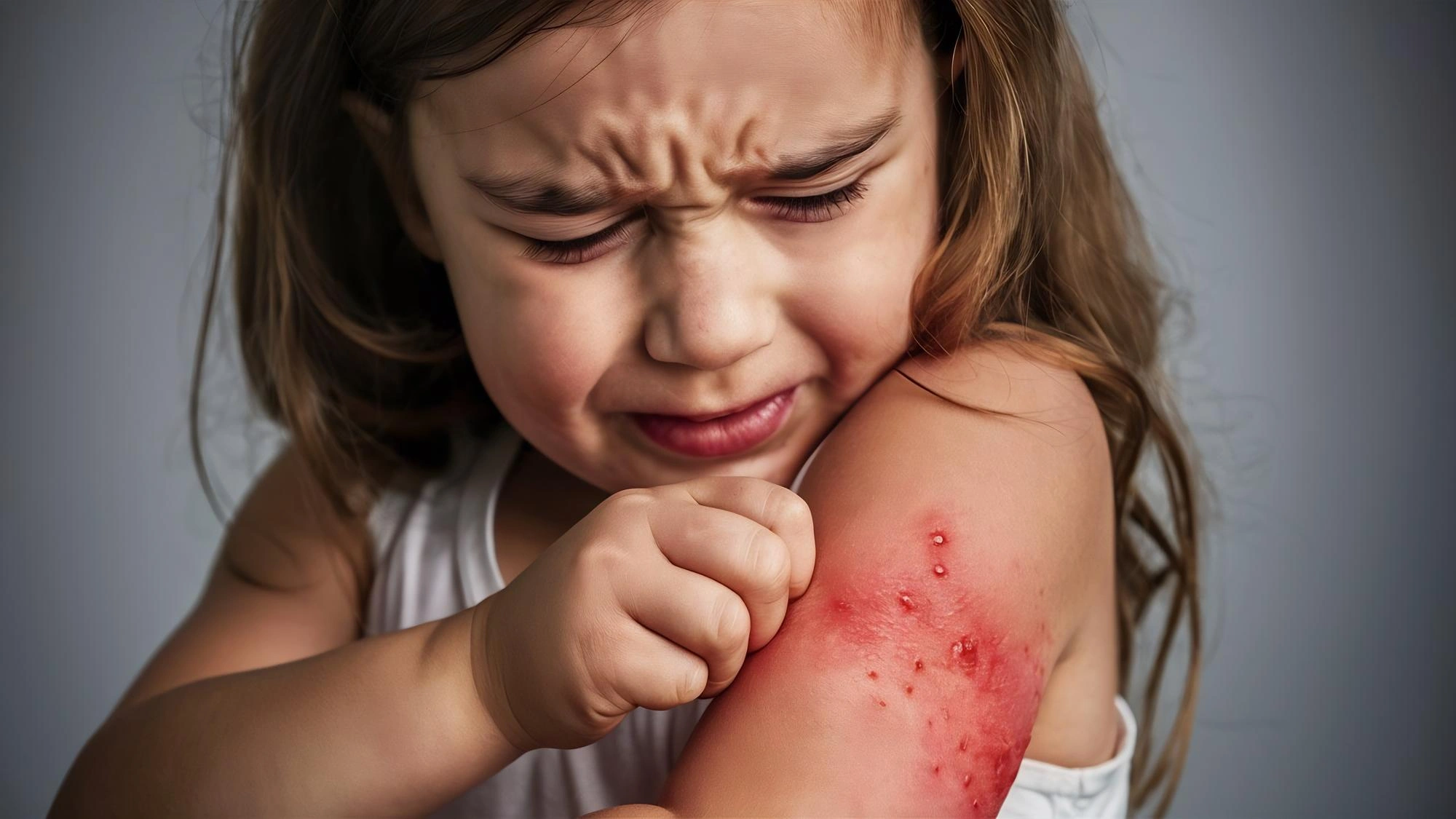
The most obvious symptom of scabies is severe itching, which tends to become more intense at night. The itching is usually accompanied by a red, bumpy rash that can appear in various areas of the body. In children, scabies typically affects the wrists, elbows, between the fingers, and around the waistline. Infants may also experience symptoms on the scalp, face, palms, and soles of the feet. A distinctive feature of scabies is the presence of thin, thread-like burrows in the skin, which are signs of mite activity. In some cases, scratching can lead to open sores, scabs, and secondary bacterial infections, further complicating the condition.
Possible Complications of Scabies
While scabies itself is not life-threatening, complications can arise if the condition is not treated promptly. Constant scratching can lead to breaks in the skin, making it vulnerable to bacterial infections such as impetigo or cellulitis. In rare cases, untreated infections can cause more serious health problems, including kidney inflammation. Children with weakened immune systems may develop a more severe form of the disease known as crusted scabies, where the skin becomes thick, scaly, and highly contagious. Prompt diagnosis and treatment help in preventing such complications and promoting faster healing.
Treatment Methods for Scabies in Children
The primary goal in treating scabies is to eliminate the mites and relieve the symptoms they cause. Topical medications like permethrin cream are widely used and considered safe for children. This cream must be applied over the entire body, including areas not visibly affected, and left on for several hours before washing off. In infants, even the scalp and face may need to be treated under the guidance of a healthcare provider. In more severe or resistant cases, oral medication such as ivermectin may be prescribed.
Alongside killing the mites, symptomatic relief is equally important. Antihistamines may be recommended to reduce itching, especially during the night, helping the child get proper rest. For children with inflamed or infected skin, topical corticosteroids or antibiotic creams may also be used to reduce swelling and treat secondary infections. It is crucial that all members of the household are treated at the same time, even if they do not show symptoms, to prevent reinfection.
Importance of Hygiene and Home Care
Proper hygiene and home care play a key role in managing scabies effectively. All clothing, bed linens, and towels used by the infected child should be washed in hot water and dried on high heat to kill any mites that may be present. Items that cannot be washed should be sealed in plastic bags for several days. Cleaning the environment and avoiding the sharing of personal items can significantly reduce the chances of reinfestation. Children should also be kept home from school or daycare until the treatment is completed and the risk of spreading the infestation is minimized.
Preventive Strategies and Awareness
Preventing scabies in children involves a combination of hygiene practices and awareness. Parents and caregivers should educate children about the importance of not sharing personal belongings such as clothes, hairbrushes, or towels. Any signs of itching or rashes should be addressed promptly, and medical attention should be sought without delay. In cases where scabies is diagnosed, informing schools or daycare centers is necessary to ensure timely intervention and limit the spread to other children.
Conclusion
Scabies is a common skin condition that can cause significant discomfort in children if not identified and treated early. Though it spreads easily and can lead to complications, it is completely treatable with proper medical care and hygiene measures. Early recognition, prompt treatment, and awareness among parents and caregivers are the key factors in controlling the spread of this condition. With the right approach, children can recover fully and return to their normal routines without lasting effects.
