


Blog Detail
Ringworm in Children: Causes, Symptoms, and Prevention
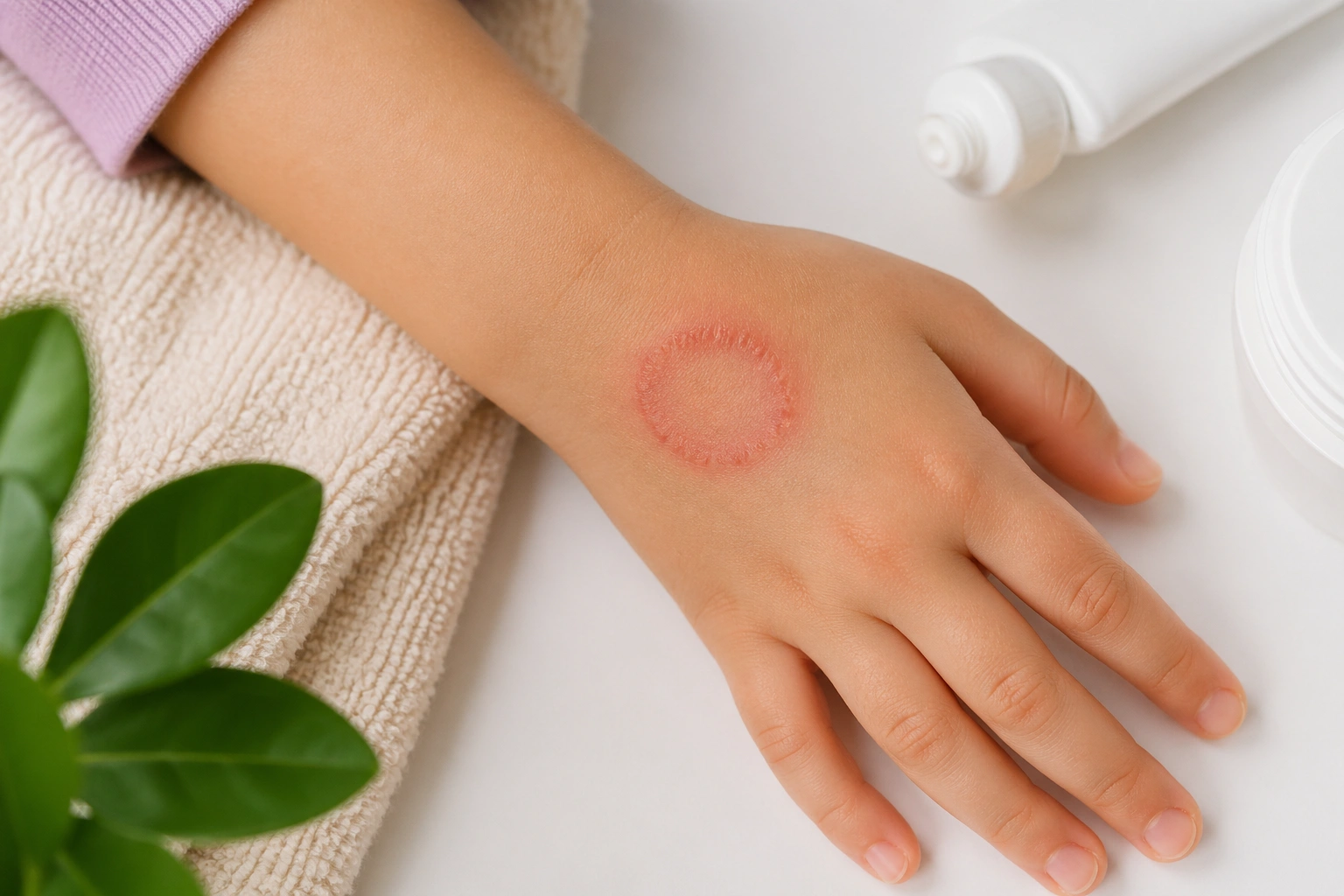
Ringworm is a widespread fungal infection that often affects children, though adults can also contract it. Despite its name, ringworm has nothing to do with actual worms. The term refers to the circular, ring-like rash that typically forms on the skin. Medically, the infection is known as Tinea, and its classification depends on the area it affects. Tinea corporis appears on the body’s skin, Tinea capitis affects the scalp and hair, Tinea unguium impacts the nails, Tinea pedis, commonly called Athlete’s Foot, develops on the feet, and Tinea cruris occurs in the groin region. While ringworm rarely causes serious health problems, it can be uncomfortable, spreads easily, and may recur if not properly managed. Parents and caregivers should be vigilant in recognizing symptoms and ensuring timely treatment.
Causes of Ringworm
Ringworm is caused by a group of fungi called dermatophytes, which grow best in warm, moist environments. These fungi feed on keratin, a protein present in the skin, hair, and nails, which makes these areas particularly susceptible. The most common species responsible for ringworm in children include Trichophyton rubrum, Trichophyton tonsurans, and Microsporum canis.
Children are more vulnerable due to frequent close contact during play and school activities. Shared toys, seating areas, and personal belongings create opportunities for the fungi to spread. Younger children also tend to have more physical interactions, which increases the likelihood of infection.
How Ringworm Spreads
Ringworm is highly contagious. The infection can spread through direct skin-to-skin contact with an infected individual. However, it can also be transmitted indirectly through contaminated objects, such as combs, hats, towels, bedding, socks, or shoes. Fungal spores are resilient and can survive on surfaces for weeks, making household items a common source of infection.
Pets, particularly cats and dogs, can carry ringworm and pass it to children, even if the animals do not show obvious signs of infection. Within a household, multiple family members may be affected simultaneously due to shared items and close living conditions.
Symptoms and Clinical Signs
Ringworm usually begins as a small, red, scaly patch on the skin. Over time, the lesion expands in a circular pattern with clearer skin in the center, creating the classic “ring” appearance. Itching may vary—some children experience significant discomfort, while others may have minimal or no symptoms.
Symptoms differ depending on the infection site:
- Scalp (Tinea capitis): Circular bald patches, scaling, and occasionally pus-filled sores.
- Nails (Tinea unguium): Thick, brittle, discolored nails.
- Feet (Tinea pedis/Athlete’s Foot): Redness, cracking, scaling, and sometimes a strong odor, particularly in warm and humid conditions.
- Groin (Tinea cruris): Red, itchy patches in the groin folds.
Although ringworm may resolve on its own over time, untreated infections can become chronic, leading to discomfort and cosmetic concerns.
Is Ringworm Dangerous?
Ringworm is not considered dangerous, and it rarely causes serious health problems. However, because it spreads so easily, it can become a public health concern in schools, daycares, and sports activities. Visible rashes, especially on the scalp or face, may cause embarrassment and social stress in children. In rare cases, untreated infections can lead to secondary bacterial infections when scratching damages the skin barrier.
Potential Complications
Complications are uncommon but can occur in untreated cases. Excessive scratching may break the skin, inviting bacterial infections. Scalp infections left untreated can result in scarring alopecia, causing permanent hair loss. Early diagnosis and consistent treatment significantly reduce the risk of complications and ensure complete recovery.
Treatment of Ringworm
Ringworm typically responds well to antifungal treatment. For mild infections, topical creams or ointments containing clotrimazole, miconazole, or terbinafine are effective. These should be applied twice daily for two to four weeks. Consistent application is crucial, as stopping treatment too soon may allow the infection to return.
Severe infections or those affecting the scalp or nails may require oral antifungal medications such as griseofulvin or terbinafine. These are prescribed by a doctor and usually taken for several weeks under supervision. Athlete’s Foot may require additional measures, including keeping the feet clean and dry, using antifungal powders, and wearing breathable footwear.
Prognosis
With proper treatment, the prognosis for children with ringworm is excellent. Most infections clear fully, and children can resume their regular activities without long-term effects. Reinfection is possible, so following preventive measures is essential to minimize recurrence.
Prevention Strategies
Preventing ringworm involves good hygiene and careful habits. Children should avoid sharing personal items like combs, hats, towels, or shoes. Clothing and bedding should be washed frequently, particularly during outbreaks.
Keeping the skin dry is critical, as fungi thrive in moist conditions. Daily changing of socks and underwear, along with proper drying of the feet after bathing, helps reduce the risk of infection. Pets should be regularly checked for fungal infections, and antifungal powders can be used in children prone to frequent infections. Parents should educate children on hand hygiene and safe interaction with peers to reduce the likelihood of transmission.
Conclusion
Ringworm is a common fungal infection in children that, while not life-threatening, can be uncomfortable, highly contagious, and persistent if not treated properly. Early recognition, timely antifungal treatment, and adherence to hygiene practices are key to managing the infection. Parents and caregivers play a crucial role in preventing spread and reinfection.
At KKCTH, pediatric specialists focus on accurate diagnosis, effective treatment, and preventive education. By ensuring prompt care and promoting healthy habits, children can recover fully and maintain clear, infection-free skin. With proper awareness and attention, ringworm can be managed efficiently, keeping children comfortable and confident in their daily activities.
