


Blog Detail
Understanding Measles: Symptoms, Complications, and Prevention
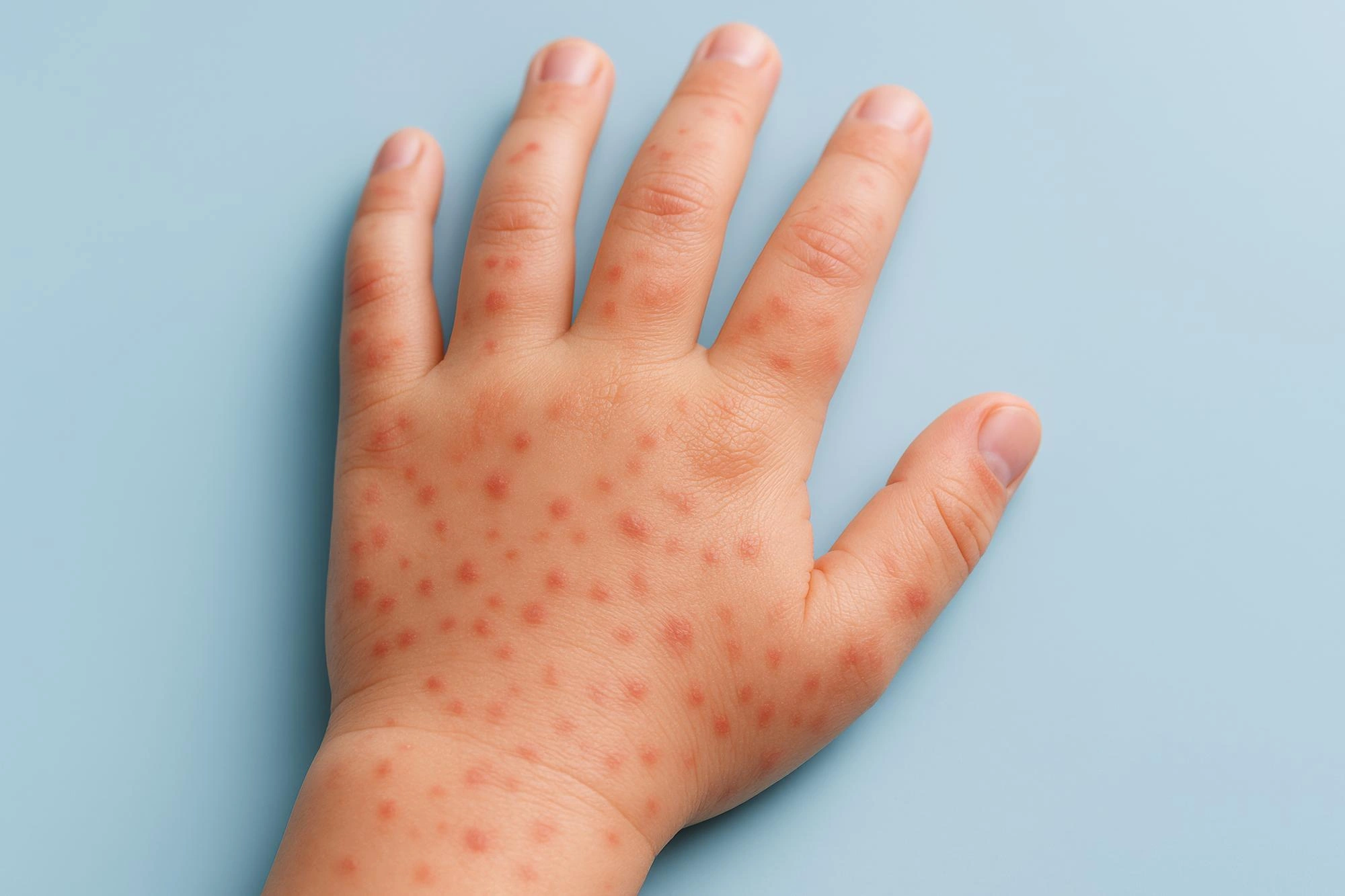
Measles is a highly contagious viral infection that primarily affects children. It presents with distinctive symptoms, including a skin rash and fever, and spreads quickly in communities, especially where vaccination coverage is low. Although often mild, measles can sometimes lead to serious complications, making early recognition and prevention essential.
Cause of Measles
The illness is caused by the measles virus, a member of the paramyxovirus family. Once the virus enters the body, it multiplies in the respiratory tract before spreading throughout the body. It is one of the most infectious viruses known, capable of lingering in the air and on surfaces for several hours.
How Measles Spreads
Measles spreads through respiratory droplets released when an infected person coughs or sneezes. The virus can also live in the air or on surfaces, making transmission easy in closed environments such as homes or schools. An individual with measles can start spreading the virus four days before the rash appears and continue to do so for up to four days after.
Stages and Symptoms of Measles
The disease progresses in stages. The first stage is the incubation period, which lasts around 10–12 days and typically has no symptoms. This is followed by the prodromal phase, where symptoms like fever, cough, runny nose, and red eyes begin. Small white spots, known as Koplik’s spots, may appear inside the mouth and are a hallmark of the disease.
As the illness progresses, a rash develops. It typically starts on the face and neck before spreading downward to the trunk and limbs. The fever often spikes with the onset of the rash, sometimes reaching as high as 104°F. In uncomplicated cases, the rash fades within a few days, and the fever subsides.
Possible Complications
Although measles often resolves on its own, it can sometimes lead to serious complications. Pneumonia is a common secondary infection, especially in malnourished children. Ear infections and diarrhea may also occur. In severe cases, the virus may affect the brain, causing encephalitis, which can result in long-term neurological issues or even death.
Infants, young children, pregnant women, and individuals with weakened immune systems are more vulnerable to these complications.
Treatment Options
There is no antiviral treatment specifically for measles. Management focuses on supportive care, including adequate hydration, fever control, and nutritional support. Paracetamol is often used to reduce fever and discomfort. Vitamin A supplements are recommended in some cases, especially in children with low nutritional reserves, as they can help reduce the severity of symptoms and lower the risk of complications.
If complications arise, such as bacterial pneumonia or ear infections, appropriate antibiotics may be prescribed.
Prognosis and Recovery
Most children recover fully from measles within two to three weeks. Once a person recovers, they typically gain lifelong immunity and are unlikely to get the infection again. However, those who develop complications may require longer treatment and follow-up care.
Prevention of Measles
The most effective way to prevent measles is through vaccination. The MMR vaccine, which protects against measles, mumps, and rubella, is given in two doses—one between 9–12 months and the second around the age of 4–6 years. High vaccination coverage in a community significantly reduces the chance of outbreaks.
Additional preventive steps include practicing good hygiene, isolating infected individuals, and ensuring that children complete their routine immunizations on time.
Conclusion
Measles remains a threat to child health, especially in areas with poor immunization coverage. While most cases are manageable, the potential for complications highlights the importance of timely diagnosis and prevention. With consistent vaccination efforts and awareness, measles can be controlled and, eventually, eliminated from public health concern.
