


Blog Detail
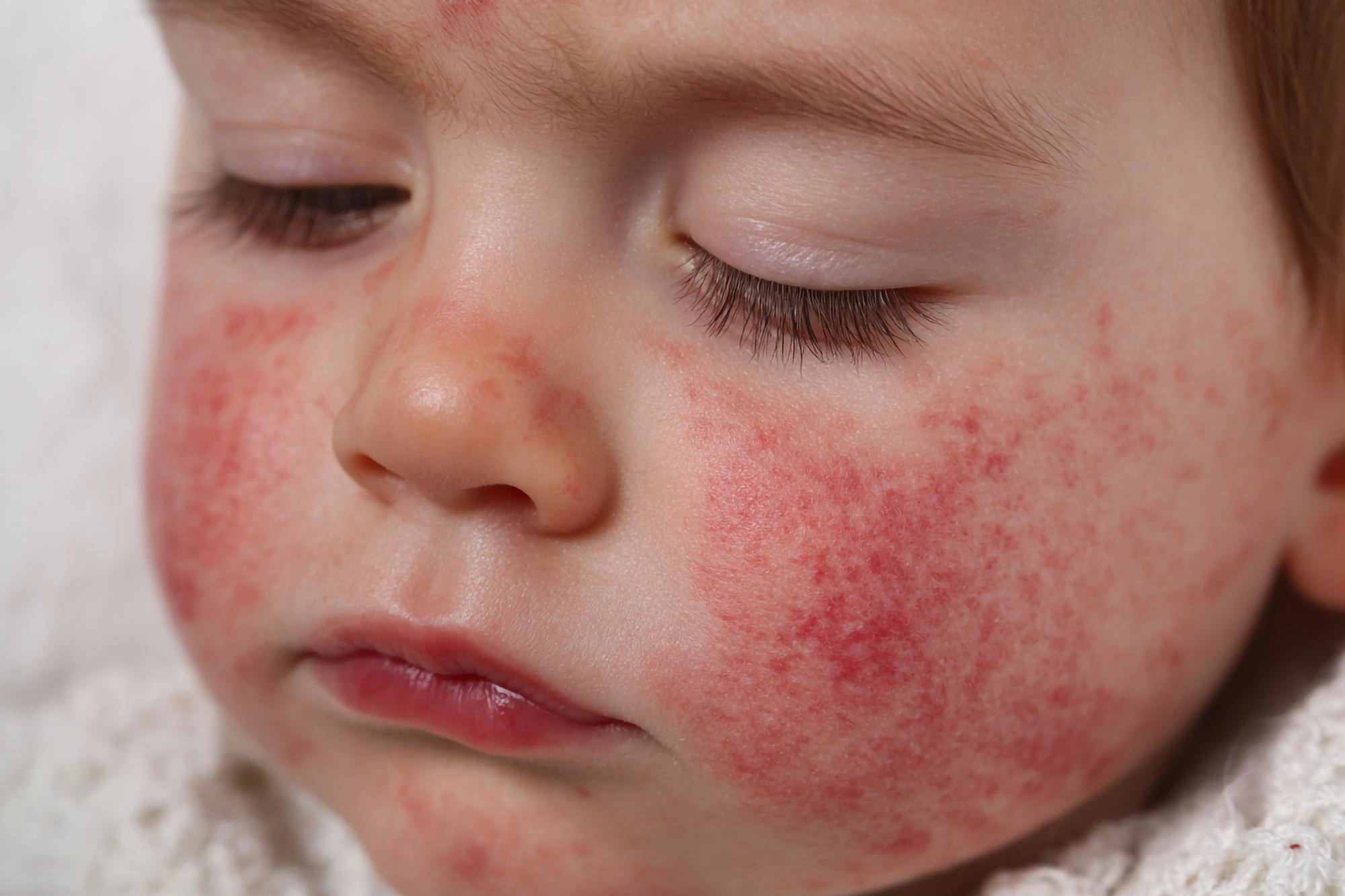
Understanding Rubella: A Mild Yet Serious Viral Infection
Rubella, also known as German measles, is a contagious viral infection that primarily affects children but can also occur in adults. Though typically mild in its symptoms, rubella carries serious risks, especially for pregnant women and their unborn babies. With the right awareness and vaccination, the infection is both preventable and manageable.
The Virus Behind the Illness
Rubella is caused by the rubella virus, which is classified under the Togaviridae family. It spreads easily from person to person through respiratory droplets released when an infected individual coughs, sneezes, or even talks. These droplets carry the virus and can be inhaled by those nearby, especially if they are not immunized. Additionally, a pregnant woman infected with rubella can pass the virus to her unborn child through the placenta, a transmission that can lead to severe developmental defects.
How Rubella Spreads
The rubella virus is highly contagious, and individuals with the disease become infectious approximately one week before the appearance of a rash and continue to spread the virus for up to one week after the rash fades. It is particularly concerning because many individuals may not realize they are infected during this period. Crowded spaces, schools, and childcare centers often facilitate rapid transmission among unvaccinated individuals.
Recognizing the Symptoms
In most children, rubella presents with mild or even unnoticed symptoms. After an incubation period of roughly two to three weeks, the illness begins with subtle signs such as a runny nose, mild fever, and redness of the eyes. One of the earliest noticeable features is the swelling of lymph nodes, especially behind the ears, at the back of the neck, and near the base of the skull. These swollen nodes may feel tender upon touch.
The appearance of a pink or red rash follows the swelling. This rash typically starts on the face and spreads to the trunk and limbs. Unlike other viral rashes, rubella’s rash is non-itchy and fades within three days. Some children may also experience a sore throat, headache, fatigue, or loss of appetite.
In older children and adults, joint pain and swelling, especially in females, may accompany the rash. These joint issues usually resolve without lasting effects. Although rare, complications like encephalitis, an inflammation of the brain, can occur in some cases.
Potential Complications in Pregnancy
While rubella is a mild illness in most individuals, it can be devastating when contracted during pregnancy. If a woman becomes infected in the first trimester, the virus can interfere with the development of the fetus, leading to Congenital Rubella Syndrome (CRS). CRS can result in serious birth defects, including heart abnormalities, deafness, cataracts, and intellectual disabilities. This risk makes rubella prevention through vaccination critically important for all women of childbearing age.
Managing the Infection
There is no specific antiviral treatment for rubella. Because the illness is generally self-limiting, treatment focuses on relieving symptoms. Paracetamol may be used to manage fever and discomfort. Aspirin should be avoided, especially in children, due to the risk of Reye’s syndrome. Children and adults with rubella should rest, stay hydrated, and remain isolated during the contagious period to prevent further spread.
Importance of Vaccination
Prevention remains the most effective way to control rubella. The rubella vaccine is typically administered as part of the combined Measles, Mumps, and Rubella (MMR) vaccine. The first dose is usually given between 12 to 15 months of age, with a second dose between 5 to 12 years. The vaccine is highly effective and plays a key role in reducing the incidence of rubella and its associated complications. Herd immunity, achieved when a significant portion of the population is vaccinated, helps protect individuals who are unable to receive the vaccine due to medical reasons.
Conclusion
Rubella may seem like a mild infection, especially in children, but its impact can be severe, particularly for pregnant women and unborn babies. With proper immunization, rubella is a preventable disease. Early detection, symptom management, and public awareness play a crucial role in limiting the spread of the virus. Vaccination efforts should continue to be prioritized to eliminate the risks associated with this avoidable infection.
