


Blog Detail
What Does ‘Hole in the Heart’ Mean? A Parent’s Guide to ASD & VSD
Few phrases frighten parents as much as hearing that their child has a “hole in the heart.” Most imagine a large opening, a life-threatening emergency, or something that needs urgent surgery. It is completely natural for the mind to jump to the worst possibilities. At The Kanchi Kamakoti CHILDS Trust Hospital (KKCTH), pediatric cardiologists see this reaction often. Parents walk in with trembling hands, eyes full of questions, and a fear that something irreversible has happened.
But the truth is very different from the image the phrase creates. A “hole in the heart” is a simplified way of describing two common congenital conditions — ASD and VSD. These are not holes caused by damage. They are small openings that some babies are born with, and many of them close on their own as the child grows.
Understanding what these conditions really mean is the first step toward easing fear and making clear decisions.
What ASD and VSD Actually Are
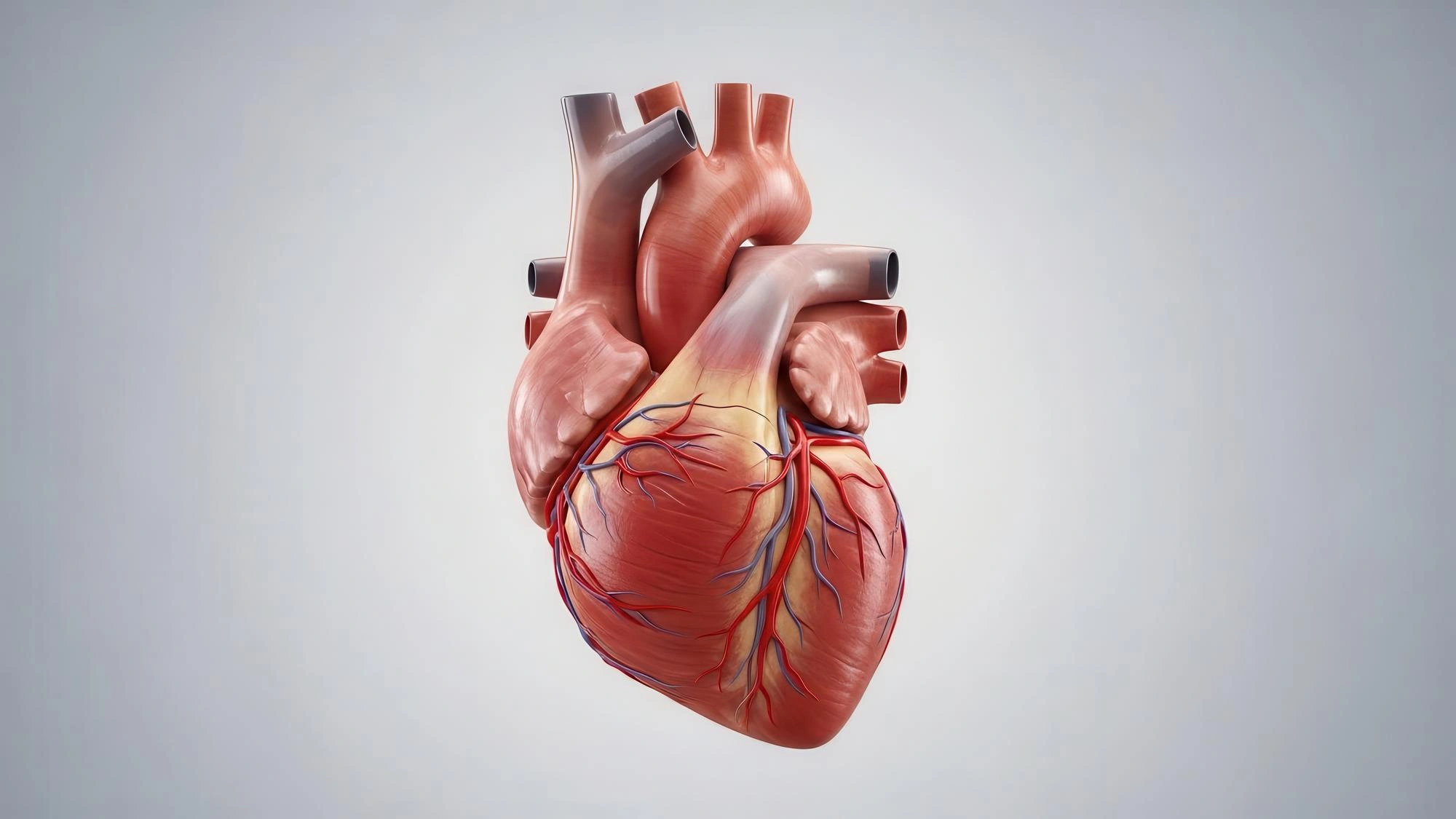
The human heart has four chambers. The upper chambers are separated by a thin wall called the atrial septum. The lower chambers are separated by the ventricular septum.
An Atrial Septal Defect (ASD) is an opening in the wall between the upper two chambers.
A Ventricular Septal Defect (VSD) is an opening in the wall between the lower two chambers.
These openings allow blood to flow in a way that is slightly different from the normal pattern. How significant this is depends on the size and type of the defect.
Parents often feel shocked hearing the word “defect,” but ASD and VSD are among the most common and most manageable congenital heart conditions seen in children. Some are so small that they never cause any symptoms at all. Others may need monitoring. A smaller percentage require treatment or surgical repair — and outcomes are usually excellent.
How Parents First Notice Something Is Wrong
Many parents discover ASD or VSD during a routine check-up. The child may appear perfectly healthy. The diagnosis often begins with a doctor hearing a murmur, which is a soft sound created by unusual blood flow.
Some babies with larger openings may show subtle signs early on. They may take longer to feed, get tired midway, or breathe faster during feeding. Some gain weight slower than expected. These signs can be easy to miss because babies cannot communicate discomfort and feeding patterns vary widely.
Toddlers or older children with ASD may complain of fast heartbeat after play or unusually tiring easily. However, many children lead completely normal lives and grow well despite having a small ASD or VSD.
This wide range in symptoms is why early evaluation matters. A simple echocardiogram gives a clear picture of what is happening inside the heart.
Why These Defects Occur
Parents often blame themselves, wondering if something they did during pregnancy caused the condition. Doctors at KKCTH reassure families that congenital heart defects form very early in pregnancy, often before a mother even knows she is expecting. Most cases have no identifiable cause. Genetics can play a role, but even then, it doesn’t mean the parent did anything wrong.
Some ASDs and VSDs are so small that the body corrects them naturally. The heart grows, and the opening closes on its own. Others stay stable without causing any trouble.
Understanding this helps parents move from guilt to clarity.
A Real Case That Shows How Hopeful the Journey Can Be
A three-month-old baby boy was brought to KKCTH because he was taking frequent pauses while feeding. His mother said he seemed “tired for no reason.” During the check-up, the doctor heard a murmur and recommended an echocardiogram. The test showed a small VSD.
The parents were terrified at first. But with proper explanation, they understood that the baby only needed regular follow-ups and no immediate intervention. Over the next year, the VSD reduced in size. By the time he turned two, it had closed completely. His parents later said the worry they carried in the beginning felt unnecessary once they understood the nature of the condition.
Stories like this are common. Not every ASD or VSD closes, but many do — gently, naturally, and without any complications.
How Doctors Diagnose ASD and VSD
A pediatrician may suspect a septal defect after hearing a murmur. To confirm, the cardiologist performs an echocardiogram — an ultrasound of the heart. It is painless, takes only a few minutes, and gives precise information about the size, flow pattern, and impact of the defect.
In most cases, no other tests are needed. Parents get clarity immediately, which helps ease anxiety.
The cardiologist will then recommend follow-ups based on the size of the defect. Small ASDs and VSDs may simply need monitoring. Larger ones may need planning for future treatment.
How ASD and VSD Affect a Child’s Life
Most children with small ASDs and VSDs lead entirely normal lives. They play, run, learn, and grow just like their peers. Parents are often surprised to learn that normal activity is not only allowed but encouraged.
For children with moderate or large defects, symptoms may appear gradually. These can include fast breathing during exertion, frequent lung infections, or slower weight gain. These children are monitored more closely. Treatment plans ensure that the heart functions efficiently as the child grows.
With proper medical guidance, children with congenital heart defects enjoy healthy childhoods. Pediatric cardiologists at KKCTH say the most important factor is early evaluation and regular follow-up.
Treatment Options and What to Expect
Treatment depends on the size and impact of the defect. Small ones often close on their own. Moderate ones may require catheter-based procedures — minimally invasive techniques done through blood vessels instead of open surgery. Larger defects may need surgical repair.
Parents often fear surgery, but pediatric heart surgery has made remarkable progress. Outcomes are excellent when performed at the right time by experienced teams.
Recovery is usually quick. Children bounce back with surprising energy once the defect is corrected because the heart becomes more efficient.
Doctors guide families through each stage so that parents feel supported, not overwhelmed.
Conclusion
A “hole in the heart” sounds frightening, but ASD and VSD are conditions with clear diagnosis, predictable behaviour, and excellent outcomes when monitored well. For many children, these openings close naturally. For others, timely treatment ensures a healthy, active future.
If your child has been diagnosed with ASD or VSD, or if your pediatrician has mentioned a murmur and advised further tests, you can meet the pediatric cardiology team at The Kanchi Kamakoti CHILDS Trust Hospital. The doctors explain the condition patiently, answer every question, and guide you through care with compassion and clarity.
With the right support and regular follow-up, children with septal defects grow confidently, play freely, and enjoy childhood without limitations.
