


Blog Detail
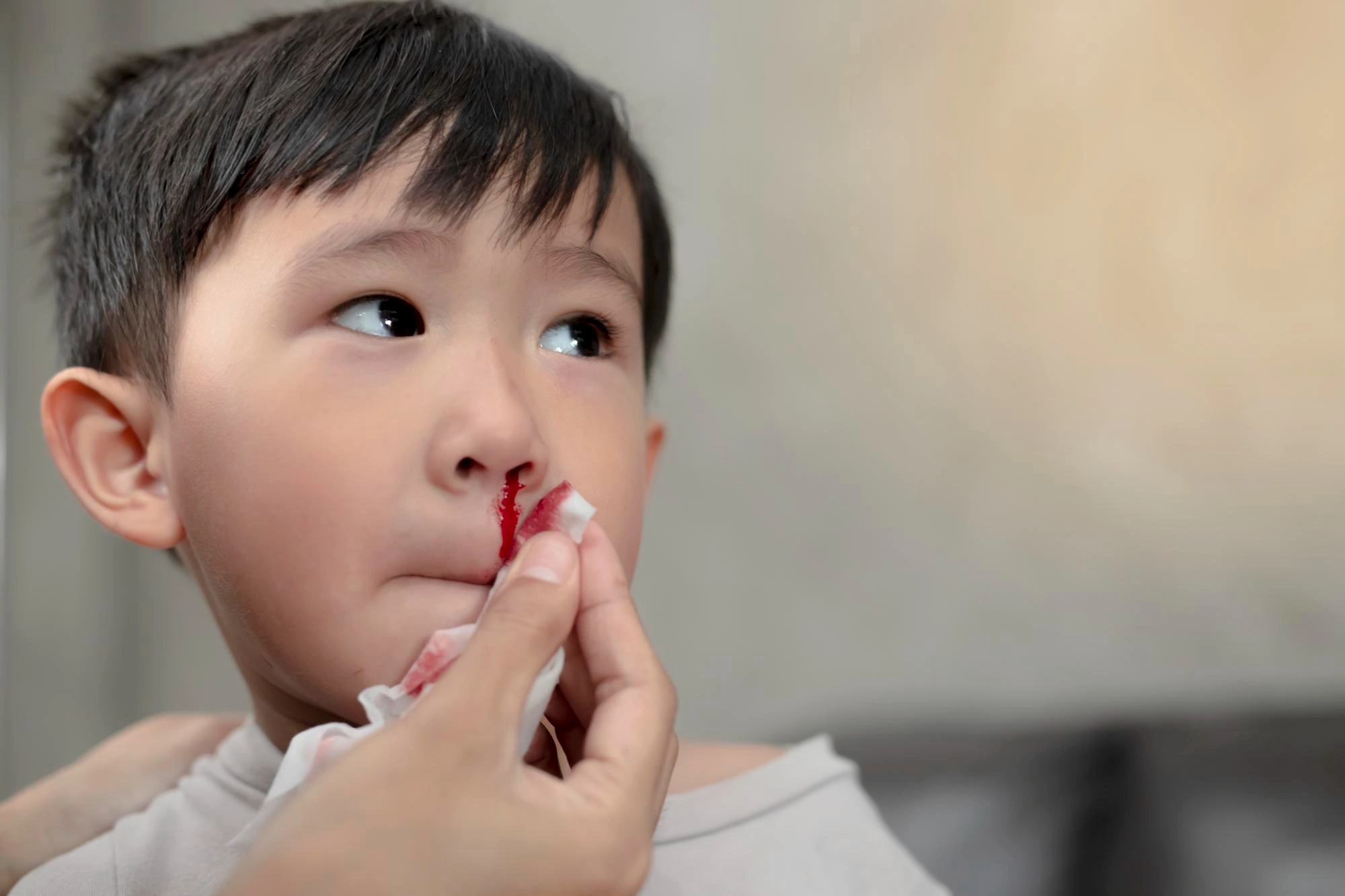
Why Do Kids Get Nosebleeds? Causes, Care, and When to Worry
Nasal bleeding, or epistaxis, is a frequent issue seen in young children, especially boys. While it can be alarming for caregivers, most episodes are mild and resolve quickly without complications. Understanding the underlying reasons and how to respond appropriately can ease concern and ensure proper care.
Common Triggers of Nosebleeds
Nosebleeds can arise from local or systemic causes. Among the most frequent local causes is minor trauma such as nose-picking or accidental injury. Children may also experience bleeding from the nose if they insert small objects like beads or seeds, or if they blow their noses too hard.
Environmental factors like dry air or seasonal allergies can irritate the nasal lining and increase the chances of bleeding. Nasal sprays or drops, when overused, may also lead to bleeding due to mucosal thinning.
Less commonly, systemic factors such as clotting disorders, certain medications like aspirin or ibuprofen, or illnesses like leukemia can cause nosebleeds.
Recognizing Symptoms and Patterns
Bleeding usually occurs from one nostril and is brief. Sometimes, swallowed blood can cause a child to vomit or pass dark-colored stools, which may appear concerning but is generally not dangerous in the context of a nasal bleed.
First Aid Measures at Home
During a nosebleed, it's important to remain calm and comfort the child. Have the child sit upright and pinch both nostrils gently for at least five minutes. This helps stop the bleeding by applying steady pressure. The child should breathe through the mouth and avoid lying down or tilting the head backward.
Avoid inserting objects into the nostrils or checking for the bleeding site, as this can disturb clots and restart bleeding.
When to Consult a Doctor
Medical attention is recommended if the bleeding is heavy, lasts more than 10 minutes, or occurs frequently. A doctor may evaluate for underlying causes, especially if other symptoms like fever, fatigue, or bleeding from other areas are present.
What Medical Evaluation May Involve
Depending on the child's condition, a pediatrician may suggest blood tests to check for anemia or bleeding disorders. In more complex cases, an ENT specialist may be involved. Treatments can include nasal packing, medication adjustments, or, in rare cases, hospital admission.
Outlook and Home Care Tips
In most children, nosebleeds are not serious and stop on their own. Regularly applying petroleum jelly inside the nostrils can keep the nasal lining moist and reduce recurrence. Using a humidifier during dry seasons can also help prevent irritation.
Conclusion
Though nosebleeds in children can appear alarming, they are often minor and manageable. Understanding the common causes and how to provide quick care can reduce fear and support faster recovery. For recurrent or severe cases, early consultation with a pediatric specialist is advised.
