


Blog Detail
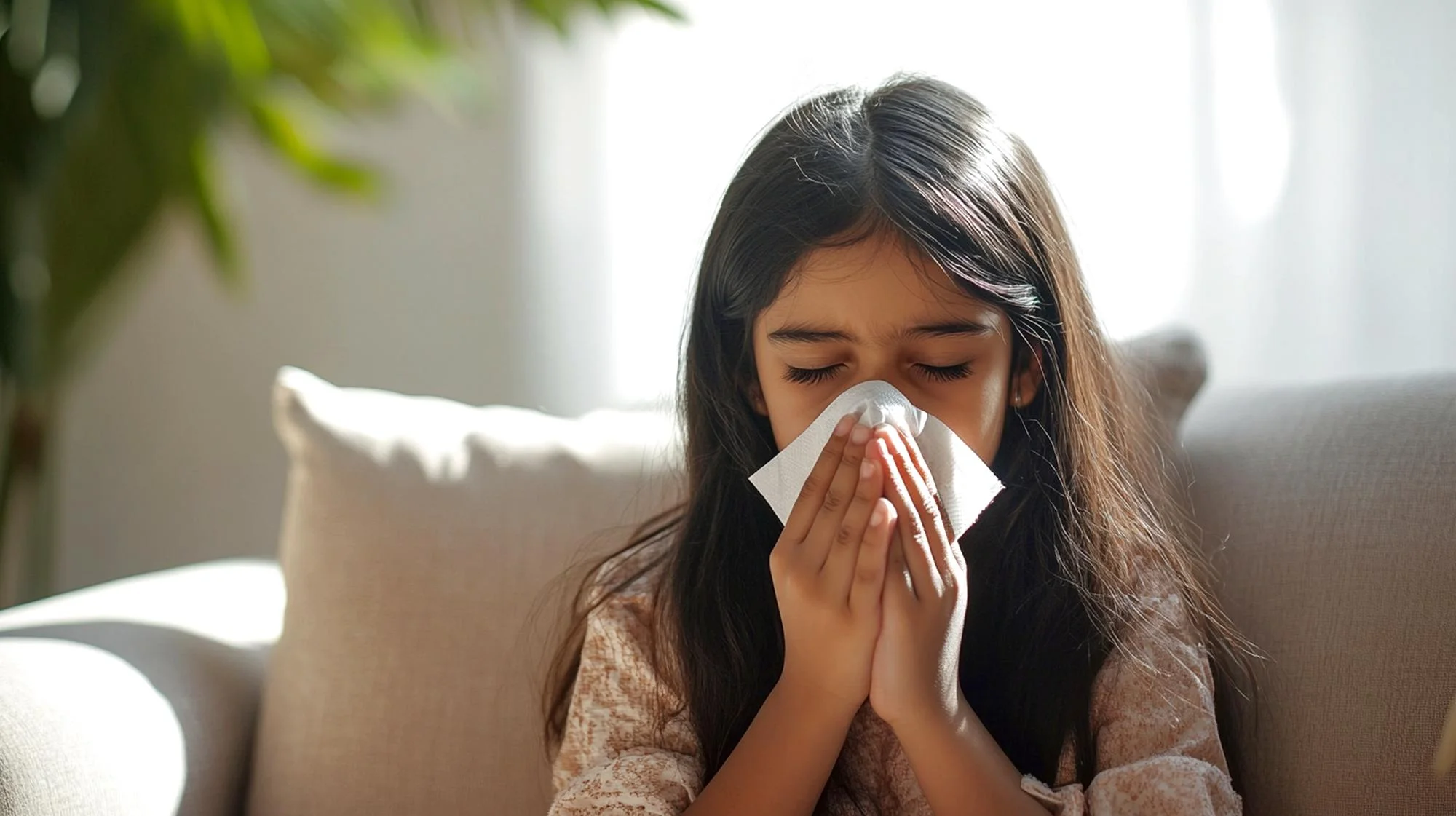
Why Does My Child Always Have a Cold? Understanding Frequent Colds in Kids
Many parents walk into the pediatric clinic with the same uneasy question: “Why does my child catch a cold so often?” It becomes even more worrying when the child seems to recover for a week, only to begin sneezing or coughing again soon after. Some parents start to wonder if something deeper is wrong, while others blame the weather, school, or even their own immunity.
At The Kanchi Kamakoti CHILDS Trust Hospital (KKCTH), this concern comes up more often than almost any other. And the truth is this — frequent colds in children are common, normal to a large extent, and often a sign of the immune system learning to protect itself.
But that does not make it any easier for parents who deal with sleepless nights, interrupted school days, and a child who grows cranky or tired because of ongoing congestion. Understanding why these colds happen so often, and when you should seek help, makes the whole journey far less stressful.
Why Children Get So Many Colds
A child’s immune system is constantly developing. Every time your child encounters a virus — in school, at a birthday party, during playdates, or even in public spaces — the immune system learns something new. Adults have already been exposed to hundreds of these viruses over the years, but children are meeting many of them for the very first time.
Because of this, a child may catch 8 to 12 colds a year, especially between the ages of one and six. This number surprises many parents, but it aligns with what pediatricians observe every day. With school attendance, day-care environments, and crowded classrooms, children are in close contact with others for long hours. Viruses spread quickly in these settings — a sneeze, a shared toy, or an unwashed hand is all it takes.
Younger children also touch their faces often, share food without realising it, and forget to wash their hands. This behaviour is natural at that age but it makes them more likely to pick up infections.
Weather changes play their part too. During monsoon and winter, the air carries viruses more easily. Closed windows and indoor gatherings increase exposure. Sudden temperature shifts — like moving from a warm room to a cold corridor — also irritate the nasal passages.
How Repeated Colds Affect Children
Each cold may seem small, but the collective effect can wear a child down. A cold brings a blocked or runny nose. It may also bring cough, mild fever, throat irritation, and disturbed sleep. When sleep gets interrupted, daytime energy drops, appetite reduces, and concentration at school suffers.
Parents sometimes worry that repeated colds mean something is wrong with their child’s immunity. Often, this is not the case. The immune system is busy building a memory bank. By the time most children reach seven or eight, the frequency of colds naturally drops because their body recognises and fights viruses more efficiently.
Still, frequent colds can create practical challenges at home. Parents may need to take leave from work, manage medications, and comfort a child who becomes cranky or needy when unwell. Understanding that this phase is usually temporary can help ease some of this stress.
When Frequent Colds Need a Closer Look
There are times, however, when frequent colds point to something more than regular viral exposure. One sign is when every cold lingers longer than two weeks. Another is when the cold routinely becomes a chest infection or ear infection. Some children develop persistent night-time cough even after the cold settles.
Allergies can also mimic repeated colds. Children sensitive to dust, pollen, pet dander, or mold may show symptoms that look like continuous colds — runny nose, sneezing, itchy eyes, and mouth breathing. These symptoms do not improve much with regular cold medicines because the trigger is not a virus.
A few children have enlarged adenoids, which are tissues behind the nose that can block airflow when swollen. These children breathe through their mouth, snore while sleeping, and catch infections more often.
Pediatricians at KKCTH take time to understand the pattern. They ask questions about the child’s sleep, diet, home environment, school exposure, allergies, and growth. Sometimes, a physical examination alone is enough. Other times, an ENT review or allergy test helps build a clearer picture.
What Parents Can Do at Home
Good habits play a big role in reducing the frequency of colds. Adequate hydration keeps nasal mucus moving and prevents congestion from worsening. Warm baths, saline nasal drops (only after medical advice), and steam inhalation help children breathe more easily.
Handwashing before meals and after school is one of the simplest and most powerful habits. Teaching children not to share bottles or snacks also goes a long way in preventing spread.
A balanced diet with fruits, vegetables, dairy, and whole grains strengthens the immune system. Sleep matters just as much. Children who sleep early and get enough rest recover faster from infections.
Ventilation is important. Opening windows for fresh air, avoiding dust buildup, and limiting exposure to smoke or incense helps children with sensitive airways.
A Real Case from the Clinic
A mother once brought her four-year-old son to KKCTH, worried that something was wrong with his health. He had caught a cold nearly every month since starting preschool. She feared he might have weak immunity. After a thorough assessment, the pediatrician explained that the child was simply adapting to a new environment with new exposures.
With small changes — regular handwashing, a more consistent sleep routine, and attention to nasal hygiene — the frequency of his colds gradually reduced over the year. The mother later said that understanding the reason behind the repeating colds eased her anxiety more than any medicine ever could.
When to See a Doctor
Most colds resolve on their own. But medical guidance becomes important when certain patterns appear. If a child struggles to breathe, if fever persists beyond three days, or if the cold repeatedly turns into sinus or ear infections, a pediatrician should evaluate the situation.
Children who have noisy breathing during sleep, very frequent snoring, or constant mouth breathing may need an ENT review to assess the adenoids. If allergies are suspected, identifying and managing triggers gives long-term relief.
Parents should also seek help if a cold interferes with appetite, sleep, growth, or school activity for prolonged periods.
Conclusion
Frequent colds can be exhausting — not just for children but for parents who manage the sleepless nights, the medicines, and the worry. But in most cases, these repeated colds are simply part of the immune system’s learning curve.
If you are concerned about the frequency, intensity, or pattern of your child’s colds, the pediatric team at The Kanchi Kamakoti CHILDS Trust Hospital is here to help. The doctors listen closely, examine gently, and guide families with practical steps to reduce infections and support healthy growth.
With patience, proper care, and timely medical advice, your child’s immune system becomes stronger each year — and the cycle of constant colds gradually fades into the background.
