


Blog Detail
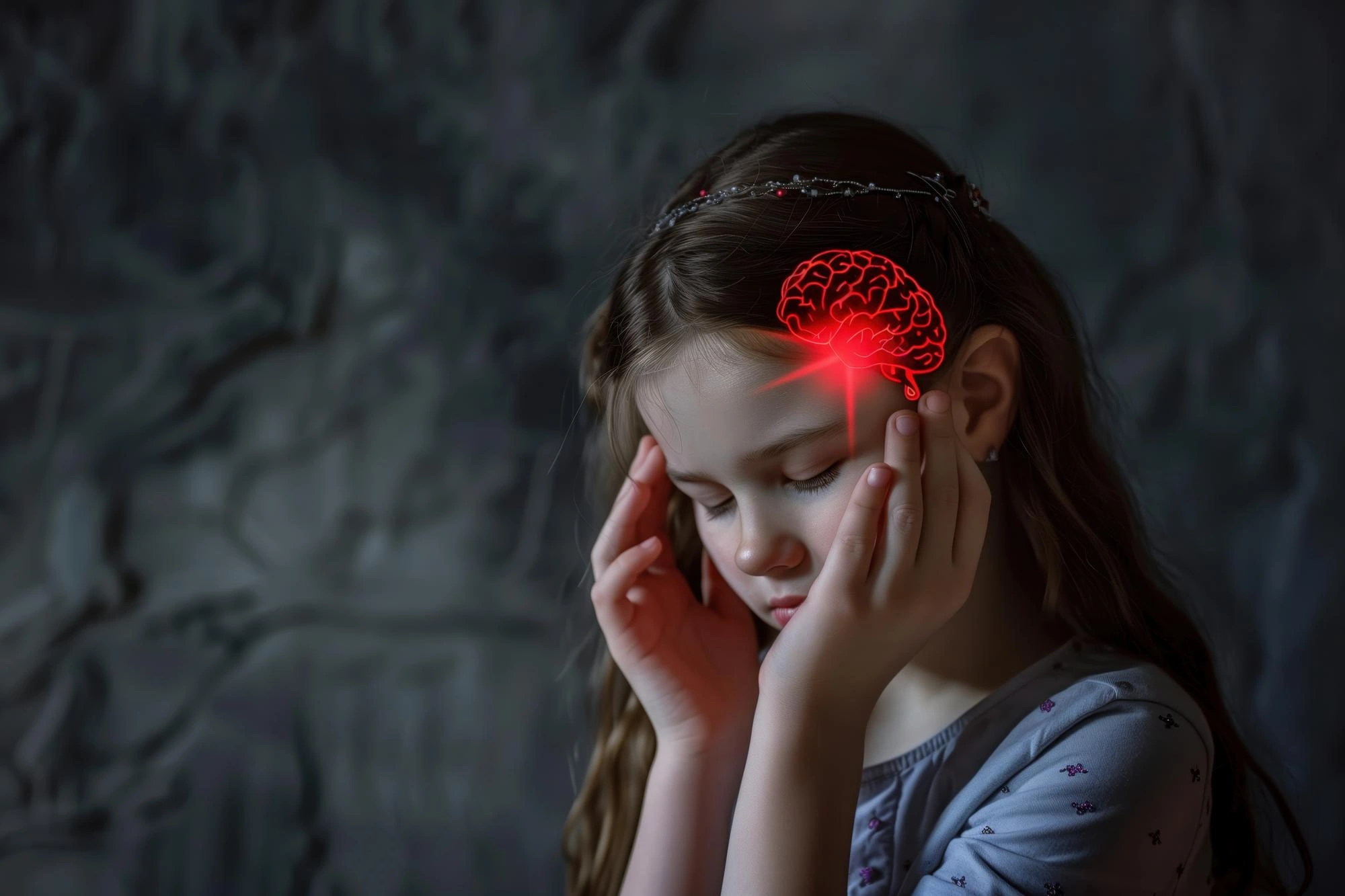
Meningitis in children: Navigating Childhood Meningitis with Confidence
Meningitis refers to the inflammation of the protective layers (meninges) that surround the brain and spinal cord. This condition can escalate quickly, making it a serious medical concern, especially in children and immunocompromised individuals.
Causes of Meningitis
The inflammation seen in meningitis is typically triggered by an infection. Various microorganisms including bacteria, viruses, fungi, and in rare cases, parasites can be responsible. Bacterial meningitis is the most severe form and is caused by organisms such as Streptococcus pneumoniae, Haemophilus influenzae type B, Neisseria meningitidis, Escherichia coli, and Mycobacterium tuberculosis. Viral infections, though generally milder, can also lead to meningitis. These include infections from viruses like mumps, measles, herpes simplex, coxsackie, and enteroviruses.
How Meningitis Spreads
The pathogens responsible for meningitis often spread through respiratory droplets, direct contact, or by entering the bloodstream from other infected areas such as the ears, sinuses, or lungs. Some people can carry these organisms without showing any symptoms, unknowingly spreading the infection to others. Individuals with weakened immune systems are more vulnerable to repeated episodes.
Symptoms and Clinical Signs
Meningitis presents differently depending on the cause and the age of the patient. Common symptoms include high-grade fever, headache, vomiting, and irritability. As the condition progresses, signs such as drowsiness, neck stiffness, seizures, and sensitivity to light may develop. In some bacterial cases, purplish skin rashes may be noticed. Infants may show poor feeding, unusual crying, and a bulging soft spot on the head.
Diagnosis and Medical Evaluation
Early diagnosis is critical for successful treatment. To confirm meningitis, doctors usually conduct a lumbar puncture (spinal tap) to collect cerebrospinal fluid. Additional tests may include blood work, imaging such as CT scans, and cultures to identify the exact organism responsible.
Treatment Options
Treatment depends on the underlying cause. Bacterial meningitis requires immediate hospitalization and administration of intravenous antibiotics. Supportive care including fluids, fever control, and oxygen may be provided. In some severe cases, intensive care support with ventilators might be necessary. Viral meningitis often resolves on its own with rest and hydration, though hospitalization may still be needed for observation in younger children. Fungal and parasitic meningitis are uncommon and are managed with specific antifungal or antiparasitic medications.
Possible Complications
Despite treatment, meningitis can result in long-term complications such as hearing loss, learning disabilities, or seizures. These outcomes depend on how quickly the condition was identified and treated. Tuberculous meningitis and certain bacterial strains are more likely to cause lasting effects.
Prevention Through Vaccination
Vaccination plays a vital role in reducing the risk of meningitis. Routine immunizations like the Hib (Haemophilus influenzae type B), pneumococcal, and meningococcal vaccines are effective in preventing some of the most dangerous bacterial forms. Ensuring children receive their vaccines as per schedule significantly reduces their risk.
When to Seek Medical Attention
Prompt medical consultation is essential if a child experiences persistent high fever, stiff neck, drowsiness, vomiting, or seizures. These may be early warning signs of meningitis and warrant immediate evaluation.
Conclusion
Meningitis remains a potentially life-threatening condition, but with early detection, proper medical care, and timely vaccinations, most children can make a full recovery. Public awareness and preventive strategies like immunization are the strongest tools in reducing the burden of this illness.
