


Blog Detail
Pinworm Infestation in Children: Causes, Symptoms, and Care
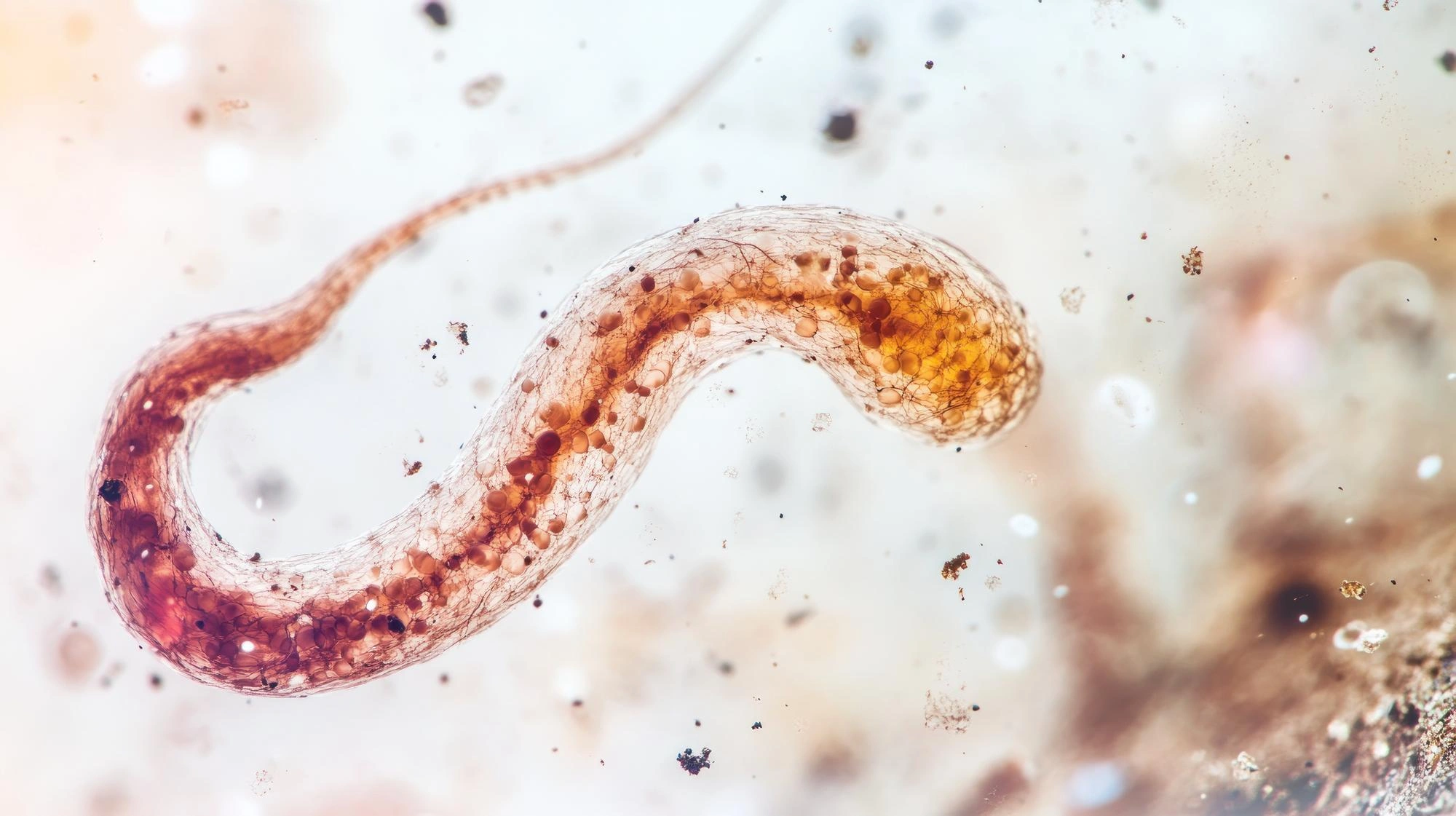
Pinworms are tiny, thread-like white worms that live in the human intestine. Measuring about one centimeter in length, they are scientifically known as Enterobius vermicularis. These parasites are extremely common among children across the world, especially in school-going age groups, where close contact and shared environments make them easy to spread. Although they do not usually cause serious illness, they can lead to discomfort and disrupt daily routines if not treated promptly.
How Do Pinworms Spread?
The pinworm’s life cycle explains why they spread so quickly. During the night, adult female worms crawl out of the anal opening to lay thousands of microscopic eggs on the surrounding skin. This causes intense itching. When children scratch the area, the eggs stick to their fingers and get trapped under their nails. From there, they can be transferred to toys, clothes, bedding, toilet seats, and other frequently touched surfaces. If these eggs are swallowed—either directly from contaminated hands or indirectly through objects—they hatch in the intestines, and the cycle begins again.
Signs and Symptoms
The most noticeable symptom of pinworm infestation is itching around the anus, especially during the night. This itchiness often disrupts sleep, making children restless or cranky during the day. In some cases, irritation from frequent scratching can make the skin red, sore, or even infected with bacteria. While many children show no other signs, a few may complain of abdominal discomfort, restlessness, or loss of appetite. However, the majority remain otherwise healthy.
Possible Complications
Unlike many other intestinal parasites, pinworms rarely cause severe health problems. The biggest concern is the ongoing itching and the cycle of repeated reinfections if hygiene is not maintained. Occasionally, scratching may lead to skin irritation or bacterial infections, but these complications are uncommon and easily managed with proper care.
Diagnosis
Parents may sometimes notice the tiny white worms in their child’s stool or around the anal region, especially at night. For confirmation, doctors often use the “tape test,” where a piece of transparent adhesive tape is gently pressed on the skin near the anus to collect possible eggs. The sample is then examined under a microscope to confirm the presence of pinworm eggs.
Treatment
Pinworm infection is easy to treat with medication. A single dose of antiparasitic medicine such as Mebendazole or Pyrantel Pamoate is usually prescribed. Since the medicine kills only the worms and not the eggs, a second dose is given two weeks later to prevent reinfection. Because pinworms spread so quickly, doctors recommend treating all household members at the same time, even if they do not show symptoms. Alongside medicine, washing clothes, towels, and bedding in hot water, cleaning household surfaces, and practicing strict hand hygiene are important steps to stop the spread. For children who keep getting reinfected, preventive treatment every few months may be advised.
Prognosis
The outlook for children with pinworm infestation is excellent. With appropriate treatment and proper hygiene measures, the infection usually clears up quickly, and children return to their normal activities without any long-term effects.
Prevention
Good hygiene is the most effective way to prevent pinworm infections. Parents can help by encouraging children to:
- Wash their hands thoroughly with soap and water after using the toilet and before meals.
- Keep their fingernails trimmed short to reduce the risk of eggs collecting under them.
- Avoid nail-biting and scratching around the anal area.
- Change underwear, nightclothes, and bedding regularly.
These simple practices go a long way in breaking the cycle of reinfection.
Conclusion
Pinworm infestation, though common in children, is not a cause for alarm when managed promptly. It rarely leads to complications but can cause discomfort, disturbed sleep, and frustration for both children and parents if left untreated. Fortunately, effective treatment combined with good hygiene ensures quick recovery and long-term prevention. For families seeking professional advice and trusted pediatric care, Kanchi Kamakoti Childs Trust Hospital (KKCTH) provides expert guidance and treatment, ensuring children remain healthy, safe, and free from such infections.
