


Blog Detail
Polio in Children: Causes, Symptoms, and Prevention
Polio, or poliomyelitis, is a viral illness that primarily affects children and has historically been one of the most feared diseases worldwide. It is caused by the poliovirus, which can invade the nervous system and, in severe cases, lead to lifelong paralysis. While global vaccination efforts have significantly reduced its prevalence, polio remains a concern in some regions, making awareness and prevention vital for children’s health.
Causes of Polio
Polio is caused by infection with the poliovirus, which belongs to the enterovirus group. The virus spreads primarily through the fecal-oral route, meaning contaminated food, water, or direct contact with infected feces can transmit it. Less commonly, it spreads through oral secretions. Once inside the body, the virus multiplies in the throat and intestines before entering the bloodstream. In some cases, it can attack the nervous system, damaging motor neurons and leading to paralysis.
Children are particularly vulnerable to polio because their immune systems are still developing, and poor hygiene practices increase the likelihood of infection. Environments with inadequate sanitation, overcrowding, and lack of clean water further contribute to the spread of the disease.
Symptoms of Polio in Children
Polio presents in different forms, ranging from mild to severe. Many children infected with the virus may not show noticeable symptoms, but they can still transmit the disease to others. The severity of symptoms often depends on how deeply the virus affects the body.
In its mild form, known as non-paralytic polio, children may experience fever, sore throat, headache, fatigue, nausea, and stiffness in the back or limbs. These flu-like symptoms usually last a few days and may resolve on their own.
Paralytic polio, the most severe form, is rare but devastating. It begins with symptoms similar to non-paralytic polio but progresses to muscle weakness, loss of reflexes, and sudden onset of paralysis, often in the legs. In severe cases, the virus can paralyze the muscles that help in breathing, which can become life-threatening without medical intervention.
Post-polio syndrome is another long-term complication that can appear decades after initial infection, causing muscle weakness, pain, and fatigue in individuals who had polio as children.
Diagnosis of Polio
Diagnosing polio in children can be challenging, especially in its early stages, as symptoms often resemble other viral infections. Laboratory tests, such as throat swabs, stool samples, or cerebrospinal fluid analysis, help confirm the presence of poliovirus. Quick and accurate diagnosis is crucial for preventing further spread and providing timely medical care.
Treatment of Polio
There is currently no cure for polio. Treatment focuses on supportive care to manage symptoms and improve quality of life. Bed rest, pain management, and physical therapy are essential in non-paralytic cases. For children with paralytic polio, rehabilitation programs play a key role in helping them regain mobility and independence. Assistive devices such as braces, crutches, or wheelchairs may be required for long-term support. In severe cases where breathing muscles are affected, ventilatory assistance becomes necessary.
The absence of a cure underscores the importance of prevention through vaccination, which remains the most effective way to combat polio.
Prevention of Polio
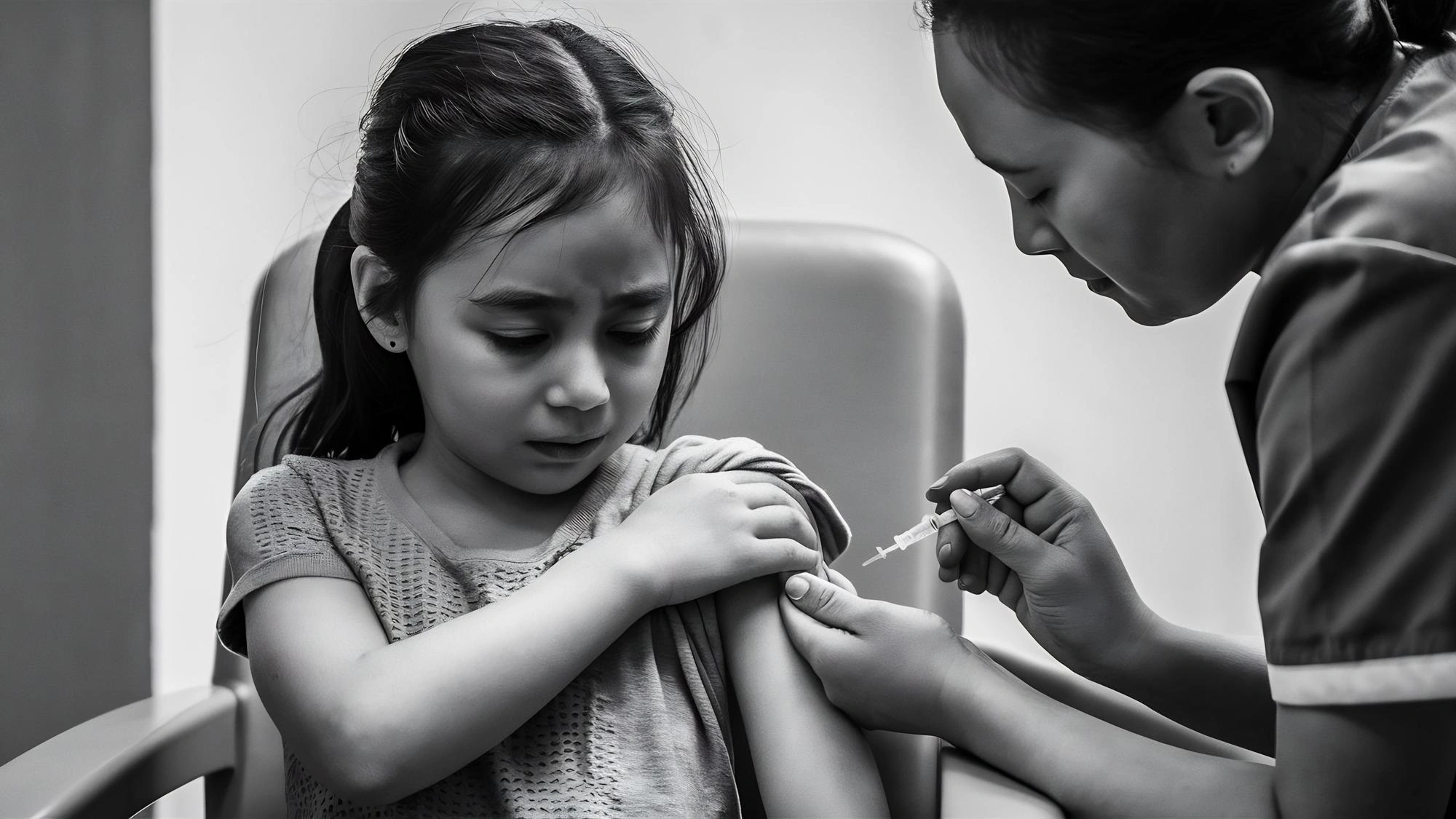
Vaccination is the cornerstone of polio prevention. The introduction of the oral polio vaccine (OPV) and inactivated polio vaccine (IPV) has drastically reduced cases worldwide. Immunization campaigns continue to target children, especially in areas where the virus still circulates. Ensuring that children receive the complete schedule of polio vaccines is crucial for long-term protection.
Maintaining good hygiene practices also plays a role in reducing transmission. Clean water, proper sanitation, and regular handwashing lower the risk of exposure to the virus. Community awareness campaigns further strengthen prevention by educating families about the importance of vaccination and hygiene.
Global Efforts to Eradicate Polio
The fight against polio is a global health priority, with organizations like the World Health Organization, UNICEF, and local governments working together to eliminate the disease. Mass immunization drives, especially in high-risk areas, have brought the world closer to eradicating polio. However, challenges such as vaccine hesitancy, political instability, and gaps in healthcare access continue to hinder complete eradication.
India, once one of the countries with the highest number of polio cases, was declared polio-free in 2014 after extensive vaccination campaigns. This achievement highlights the effectiveness of sustained efforts and community participation in eliminating the disease.
Conclusion
Polio in children, though largely controlled through vaccines, still poses a threat in certain regions. Understanding its causes, recognizing symptoms early, and ensuring vaccination are key steps in protecting children from this debilitating disease. Prevention through immunization and hygiene remains the strongest shield against its spread. For parents concerned about their child’s health, seeking timely guidance and maintaining the recommended vaccination schedule is essential. At KKCTH, comprehensive pediatric care ensures that children receive the best preventive and supportive measures to stay safe from diseases like polio and grow up healthy.
