


Blog Detail
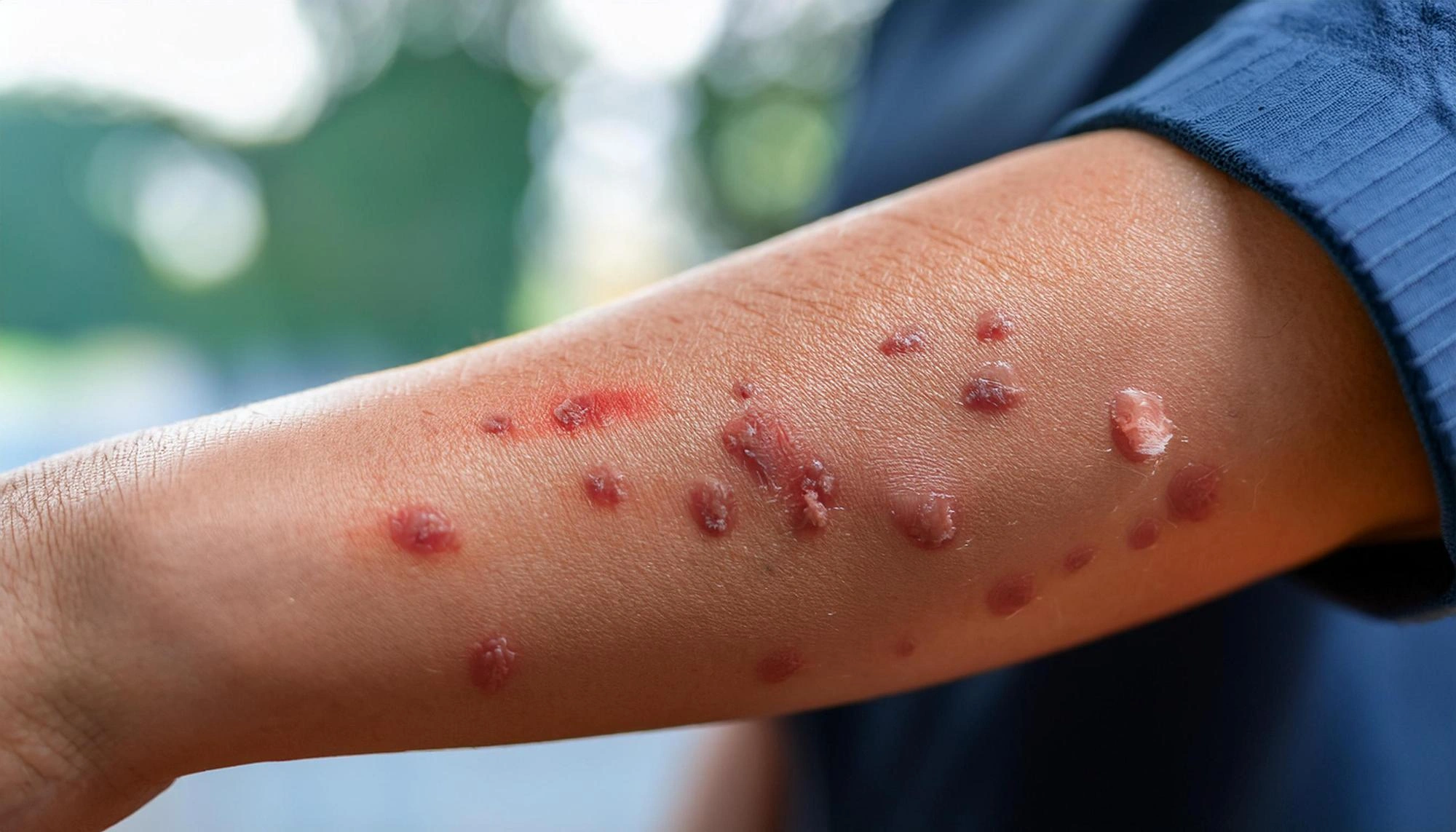
Tetanus: A Preventable Yet Life-Threatening Infection
Tetanus, commonly referred to as lockjaw, is a dangerous condition caused by the bacterium Clostridium tetani. This microorganism produces a toxin that affects the nervous system and results in severe muscle stiffness and spasms. Unlike many other infections, tetanus does not spread from person to person. Instead, the bacteria enter the body through wounds or cuts contaminated with soil, dust, or feces where the spores are commonly found.
How Tetanus Spreads
Tetanus spores are widespread in the environment and can survive in harsh conditions for long periods. When these spores enter the body through an injury, especially deep puncture wounds, they become active in low-oxygen environments and begin to produce a powerful toxin called tetanospasmin. This toxin targets the nervous system, disrupting the communication between nerves and muscles, which leads to the characteristic symptoms of tetanus.
Types of Tetanus
There are two main forms of tetanus: neonatal and non-neonatal. Neonatal tetanus typically affects infants born in unhygienic conditions, especially when the mother has not been adequately immunized. It usually develops when the umbilical cord is cut with unsterile instruments or treated with contaminated substances. Non-neonatal tetanus, which affects people of all ages, generally follows injuries such as cuts, burns, surgical wounds, animal bites, or injections administered with unclean needles.
Recognizing the Symptoms
Tetanus symptoms can appear between three days to three weeks after infection. The first signs are usually stiffness in the jaw and neck, making it difficult to open the mouth. As the disease progresses, individuals may experience painful muscle spasms, difficulty swallowing, fever, sweating, and elevated blood pressure. In severe cases, these spasms may spread throughout the body, resulting in breathing difficulties and potentially life-threatening complications.
Complications from Tetanus
Tetanus can lead to several serious complications. The most dangerous of these include respiratory failure due to muscle spasms in the chest and throat, broken bones from intense convulsions, and infections acquired during long hospital stays. Without timely medical intervention, these complications can be fatal, especially in newborns and the elderly.
Medical Treatment for Tetanus
Treatment for tetanus involves hospitalization, often in an intensive care unit. The primary aim is to neutralize the toxin, control the muscle spasms, and support vital body functions. Patients may receive tetanus immune globulin (TIG) to counteract the effects of the toxin, along with antibiotics to kill the bacteria. Muscle relaxants and sedatives are used to manage spasms, and in severe cases, patients may require mechanical ventilation until the toxin’s effects wear off. Recovery can take several weeks or longer, depending on the severity of the infection.
Prognosis and Outcome
The outcome of tetanus varies based on the availability and promptness of medical care. With advanced medical support, many patients recover, although full recovery may take time. However, in regions with limited access to critical care, the risk of death or long-term disability is significantly higher. Neonatal tetanus, in particular, carries a high mortality rate without proper intensive care.
Effective Prevention
Tetanus is entirely preventable through immunization. Routine childhood vaccination and booster shots every ten years provide lasting protection. Pregnant women should receive the tetanus toxoid vaccine to protect their newborns from neonatal tetanus. In the event of an injury, proper wound care and medical evaluation are essential. If the vaccination status is uncertain, a booster shot may be advised.
Conclusion
Tetanus remains a potentially fatal illness despite being preventable through simple and effective measures. Maintaining proper hygiene during childbirth, ensuring complete immunization, and seeking medical care for wounds can significantly reduce the risk of infection. Increasing awareness about vaccination and safe practices is crucial in the global effort to eliminate tetanus, especially in vulnerable populations like newborns and the elderly.
