


Blog Detail
Understanding Malaria in Children: Causes, Symptoms, Treatment and Prevention
Malaria continues to be a significant health concern, especially in countries with tropical climates like India. Among children, the disease can lead to serious complications if not recognized and treated early. Caused by a parasite and spread by mosquitoes, malaria affects thousands of young lives every year. Awareness about its symptoms, how it spreads, and the right approach to prevention and care is key to reducing the disease burden in the community.
What Is Malaria?
Malaria is an infection that occurs when parasites from the Plasmodium group enter the bloodstream. These parasites are transmitted through the bite of infected mosquitoes. In children, malaria can start as a mild fever but may progress quickly if left untreated. Since young children have less immunity, they are at a higher risk of developing complications.
What Causes Malaria?
Malaria is caused by one of four main species of Plasmodium parasites: Plasmodium vivax, P. falciparum, P. malariae, and P. ovale. Of these, P. falciparum is the most dangerous and known for causing severe illness and complications. These parasites enter the human body when a mosquito carrying them bites and releases them into the bloodstream.
How Malaria Spreads
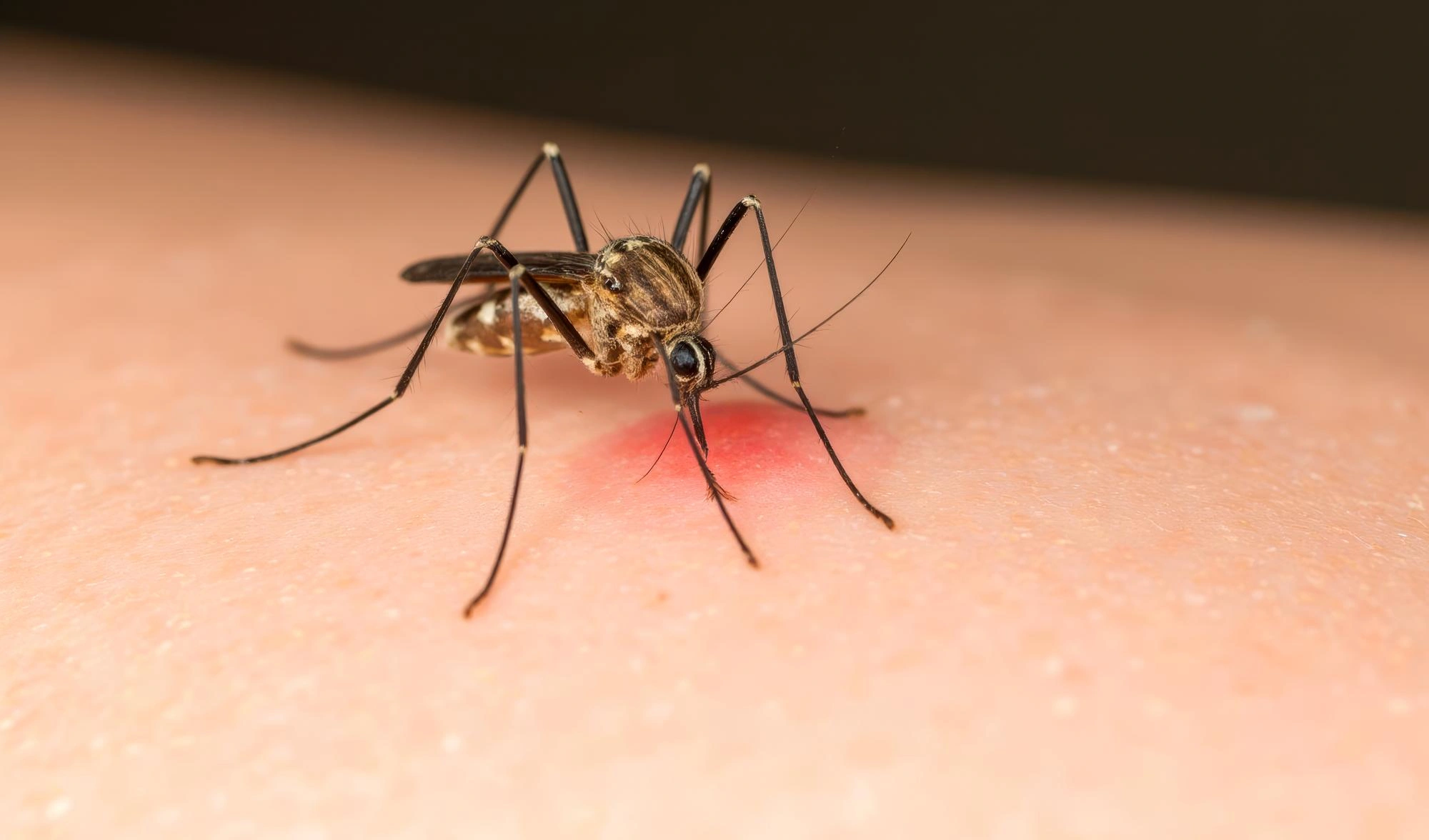
The disease spreads mainly through the bite of the female Anopheles mosquito, which breeds in stagnant or slow-moving water. When this mosquito bites a person who already has malaria, it picks up the parasite and carries it. Once it bites another person, the parasite enters their body and begins to multiply.
In some cases, malaria may also spread through infected blood transfusions, sharing of contaminated needles, or from an infected mother to her baby during birth, though these are less common routes.
Common Symptoms of Malaria in Children
Symptoms usually appear between 7 to 14 days after the mosquito bite. The early phase may be difficult to distinguish from common viral fevers. Children may develop fatigue, loss of appetite, weakness, nausea, and abdominal pain. As the infection progresses, the typical malaria fever pattern emerges: chills followed by high fever, intense sweating, and a sudden return to normal body temperature.
This cycle may repeat every 48 to 72 hours depending on the parasite involved. In addition to fever, vomiting, headache, diarrhea, and muscle aches are also common. Some children may show signs of irritability, drowsiness, or poor feeding, which are warning signs that require immediate attention.
Complications of Malaria
Although malaria is treatable, complications can arise if not managed early. One of the most serious forms is cerebral malaria, where the infection affects the brain. It can cause seizures, unconsciousness, and, in severe cases, death. Children who recover may sometimes have lasting effects such as learning difficulties or vision problems.
Another serious complication is severe anemia, which occurs when the malaria parasites destroy large numbers of red blood cells. This can lead to weakness, shortness of breath, and heart strain. Kidney failure, low blood sugar, and breathing problems can also occur, especially in young children or in cases involving P. falciparum.
Diagnosing Malaria
Malaria is confirmed by examining a blood smear under a microscope to identify the parasite. Rapid diagnostic tests (RDTs) are also commonly used in hospitals and clinics to detect malaria quickly, especially in areas where lab facilities may be limited.
Doctors may recommend repeat blood tests if initial results are negative but symptoms persist. Early diagnosis is critical to prevent complications and ensure successful treatment.
Treatment Options
Malaria treatment depends on the type of parasite and the severity of the infection. Common antimalarial medications include Chloroquine, Artemisinin-based combination therapies (ACTs), and Primaquine. These medicines work by killing the parasites in the blood and preventing recurrence.
In cases of severe malaria, children may require hospitalization, intravenous medications, fluids, and other supportive care. It is essential to complete the entire prescribed course of treatment to fully clear the infection and avoid relapses.
Recovery and Prognosis
With timely diagnosis and proper treatment, children usually recover well from malaria. However, in regions where malaria is common, reinfection can occur. A child who has had malaria is not immune to future infections unless preventive measures are taken consistently.
For children who experienced complications, recovery may take longer and may require additional medical follow-up, especially if there were neurological or organ-related effects.
Preventing Malaria in Children
Prevention remains the most effective way to protect children from malaria. Eliminating mosquito breeding sites around the home is crucial. This includes covering water storage containers, draining stagnant water, and keeping surroundings clean. Using mosquito nets, insect repellents, and ensuring children wear protective clothing in the evenings can help reduce the risk of mosquito bites.
Although a malaria vaccine is under development and has shown promise in some parts of the world, it is not yet widely available in India. Until then, mosquito control and early diagnosis remain the main strategies for malaria prevention.
Conclusion
Malaria remains a major health issue for children, especially in endemic regions. Recognizing the signs early, seeking timely medical care, and taking proper preventive measures can save lives. With increased awareness and access to healthcare, the impact of malaria on children can be significantly reduced. Hospitals like KKCTH are equipped to provide comprehensive care and support for children affected by malaria, ensuring the best possible outcomes through timely intervention and expert treatment.
