


Pediatric Intensive Care Unit

Specialized Pediatric Intensive Care Unit in Chennai
The Pediatric Intensive Care Unit (PICU) here, started in 1991, was the first PICU in the private sector in Madras. It was fully renovated in 2019 and has 21 beds (14 ICU and 7 High Dependency). The Pediatric ICU boasts state-of-the-art infrastructure, meticulously designed to adhere to contemporary ICU standards, with particular emphasis on adequate space, natural light, air conditioning, and infection control practices. Additionally, it features four pressurized isolation suites equipped with High Efficiency Particulate Air (HEPA) filters, further underscoring its commitment to stringent infection prevention measures.
Advanced Pediatric Intensive Care (PICU) Facilities at KKCTH
The available facilities encompass a range of advanced medical interventions, including invasive monitoring, mechanical ventilation (non-invasive, conventional, and high-frequency oscillation), inhaled Nitric Oxide therapy, ECMO, Renal Replacement Therapy (peritoneal dialysis, Hemodialysis, SLED and CRRT) and plasmapheresis. Catering to patients from across Tamil Nadu and neighbouring states, the ICU delivers tertiary-level care to seriously ill children up to 18 years age. The spectrum of treated conditions spans severe respiratory & neurological illnesses, various infections (such as malaria, TB, meningitis, Dengue fever, etc.), trauma including head injuries, heart failure, post-operative care after complex Cardiac, Neuro and Airway surgeries, post Bone Marrow Transplant care, and more. Children who require intermediate care between standard pediatric wards and full intensive care, are managed in the High Dependency Unit.
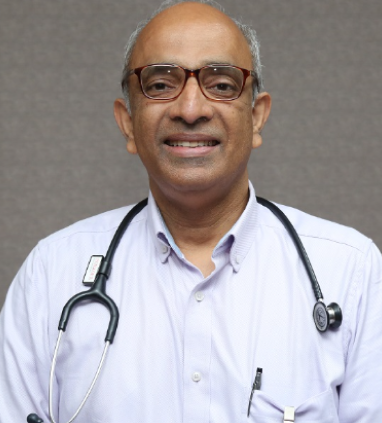
With an annual admission of about 1,500 children, the ICU operates under the direction of Dr. Bala Ramachandran, a seasoned expert with over 30 years of experience in managing critically ill children. He is ably assisted by Dr. K. Ravikumar and Dr. K. Sudeep Kumar, with a combined experience of 20 years.
Consultants







FAQ
- Any child with a life-threatening or potentially deteriorating condition requiring continuous organ support or invasive monitoring qualifies for PICU admission.
- Conditions routinely managed include severe respiratory failure (pneumonia, status asthmaticus), septic shock, neurological emergencies (meningitis, encephalitis, refractory seizures), major trauma including head injuries, post-operative care following complex cardiac, neurosurgical, or airway surgery, malaria, dengue with severe complications, bone marrow transplant care, and multi-organ dysfunction. The PICU also accepts children requiring Extracorporeal Membrane Oxygenation (ECMO), plasmapheresis, and continuous renal replacement therapy.
- A PICU is purpose-built and staffed exclusively for critically ill children, recognising that paediatric physiology, pharmacology, and disease presentations differ fundamentally from adults.
- KKCTH's PICU—the first in the private sector in Madras, established in 1991 and fully renovated in 2019, has 21 beds (14 ICU and 7 High Dependency). It features child-specific ventilators, size-appropriate monitoring equipment, and four pressurised isolation suites with HEPA filtration. The medical team, led by Dr. Bala Ramachandran (American Board Certified in Paediatric Critical Care, 30+ years' experience), Dr. K. Ravikumar, and Dr. Sudeep Kumar Kapalavai, holds subspecialty training in paediatric critical care, not simply adult intensivists managing children.
- Yes. All PICU beds are under continuous bedside monitoring, with intensivists present in the unit round the clock.
- Monitoring capabilities include invasive arterial and central venous pressure monitoring, continuous ECG, pulse oximetry, capnography, and point-of-care diagnostics. The unit admits approximately 1,500 children annually, and its staffing model ensures that a senior paediatric intensivist reviews each patient at minimum twice daily, with continuous nursing supervision.
- KKCTH follows a structured parental involvement policy; parents are permitted to visit and spend time with their child in the PICU at designated intervals, with flexibility during critical periods.
- Yes. The PICU provides specialised post-operative intensive care for children who have undergone complex cardiac, neurosurgical, airway, and major abdominal or thoracic surgery.
- Post-surgical management includes haemodynamic optimisation, ventilator weaning, pain management, wound monitoring, and early rehabilitation. The PICU's collaboration with surgical teams, particularly paediatric cardiac surgeons (Dr. Prashanth Shah, Dr. Harun R), neurosurgeons, and ENT surgeons, ensures seamless peri-operative care continuity.
- KKCTH's PICU adheres to stringent infection control and patient safety standards, including HEPA-filtered isolation suites, strict hand hygiene protocols, and regular multidisciplinary clinical audits.
- Four pressurised isolation suites provide barrier protection for immunocompromised children or those with highly transmissible infections. The unit follows evidence-based bundles for ventilator-associated pneumonia prevention, central line-associated bloodstream infection prevention, and pressure injury prevention. Clinical outcomes are monitored through regular morbidity and mortality reviews, supporting continuous quality improvement.