


Blog Detail
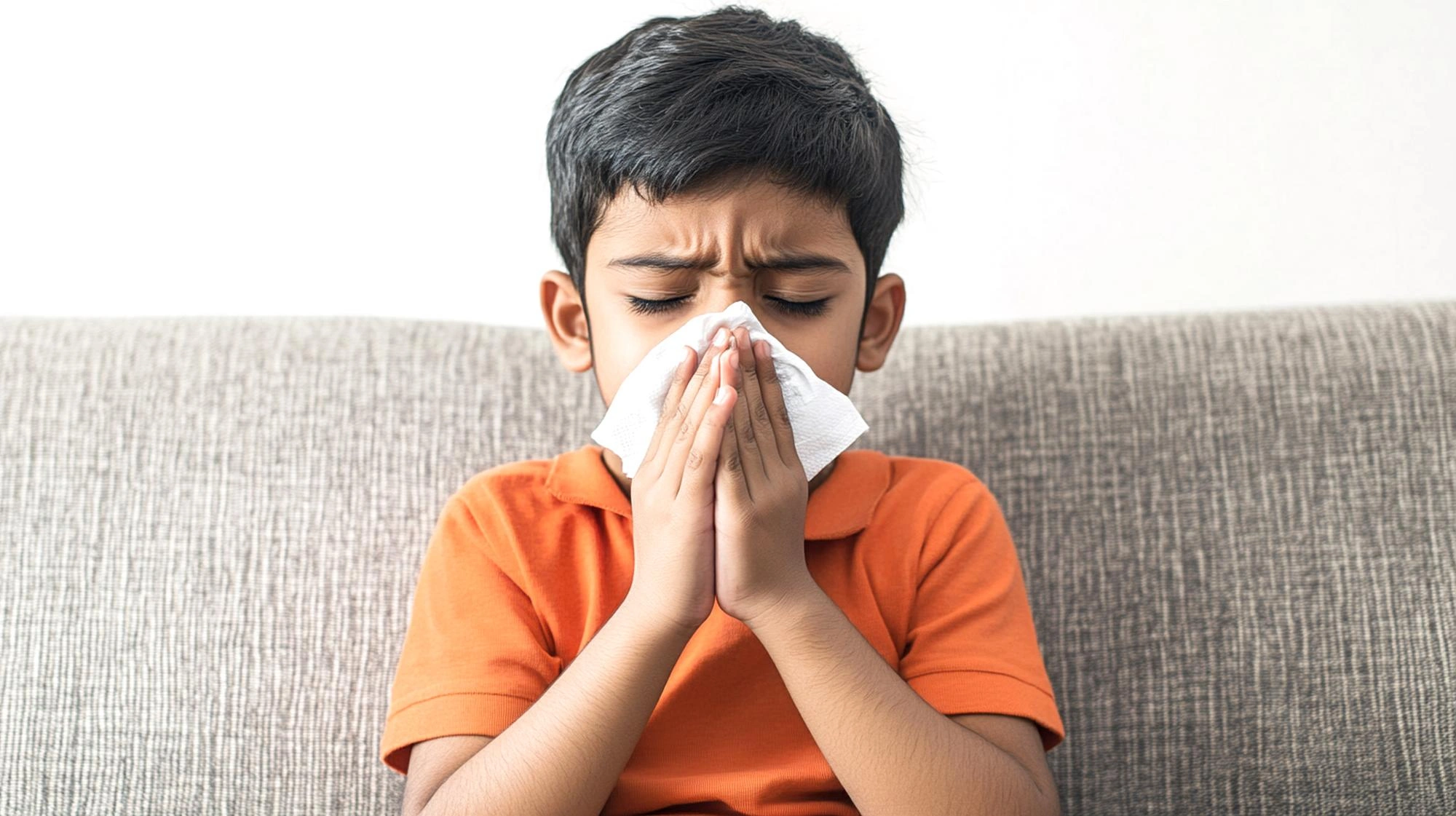
Pertussis in Children – Causes, Symptoms, and Care
Pertussis, also called whooping cough, is a highly contagious respiratory infection caused by the bacterium Bordetella pertussis. It primarily affects infants and young children, spreading easily through coughing, sneezing, or close contact with an infected person. Despite being preventable through vaccination, pertussis continues to cause concern in many parts of the world, particularly when children are not fully immunized. Recognizing the condition early is important because timely care can prevent severe complications.
Causes of Pertussis
The infection begins when the Bordetella pertussis bacteria enter the respiratory tract and attach to the lining of the airways. The bacteria release toxins that irritate the air passages, leading to swelling and increased mucus production. This irritation makes it difficult for children to breathe and results in the characteristic coughing fits. The disease is most dangerous for babies under six months, as their immune systems are still developing and they may not have completed their vaccination schedule.
Symptoms and Stages
Pertussis progresses in stages, often resembling a common cold at first, which makes it difficult to identify early.
In the initial stage, children may develop mild fever, nasal congestion, sneezing, or a mild cough. Parents often mistake this for a seasonal cold.
As the infection advances to the paroxysmal stage, the cough becomes more severe and occurs in repeated bursts. Children struggle to breathe between these episodes, often making the distinct “whooping” sound when inhaling. Vomiting, exhaustion, and bluish skin due to lack of oxygen can also occur at this stage.
Finally, the recovery stage begins, where coughing fits gradually decrease in intensity, though the condition may persist for weeks.
Complications of Pertussis
While older children may recover without severe consequences, younger ones face higher risks. Pertussis can lead to pneumonia, dehydration, seizures, brain inflammation, or even life-threatening pauses in breathing (apnea). Infants under one year are especially vulnerable, which is why prompt medical attention is vital.
Diagnosis of Pertussis
Doctors diagnose pertussis through a combination of medical history, physical examination, and laboratory tests. Swabs from the nose or throat may be tested for Bordetella pertussis. In some cases, blood tests or chest X-rays are performed to rule out other infections. Accurate diagnosis is essential, as early treatment not only benefits the child but also prevents further spread of the disease.
Treatment Options
Treatment depends on the child’s age, overall health, and stage of infection. Antibiotics are prescribed to kill the bacteria and reduce transmission, especially when given early. Infants and severely affected children may require hospitalization for monitoring, oxygen support, or intravenous fluids if dehydration occurs.
Managing pertussis at home includes ensuring the child gets enough rest, fluids, and nutrition. Humidified air can help soothe the airways, while smaller, frequent meals may reduce the risk of vomiting after coughing episodes.
Preventing Pertussis
Vaccination remains the most effective way to protect children from pertussis. The DTaP vaccine, which also guards against diphtheria and tetanus, is given in multiple doses starting at two months of age. Booster doses are recommended during childhood and adolescence to maintain immunity.
In addition to vaccination, practicing good hygiene—such as covering the mouth while coughing and washing hands frequently—helps limit the spread. Pregnant mothers are also advised to receive the vaccine during the third trimester, as it passes protective antibodies to the baby.
Caring for Children with Pertussis
Caring for a child with whooping cough requires patience and medical guidance. Parents should closely monitor breathing difficulties and seek emergency care if the child develops bluish lips, prolonged pauses in breathing, or extreme exhaustion. Supportive care plays a major role, and recovery may take weeks, even with treatment.
Conclusion
Pertussis in children remains a health challenge despite advances in vaccination and treatment. Its early symptoms are often mistaken for a simple cold, which delays medical attention and increases risks. With timely diagnosis, appropriate antibiotics, and preventive vaccination, the chances of complications can be greatly reduced. Parents and caregivers must remain vigilant, particularly for infants who are most vulnerable. At KKCTH, specialized pediatric care ensures that children with pertussis receive the right treatment and support for a safe recovery.
